

Oganochi Mgbedike Masquerader
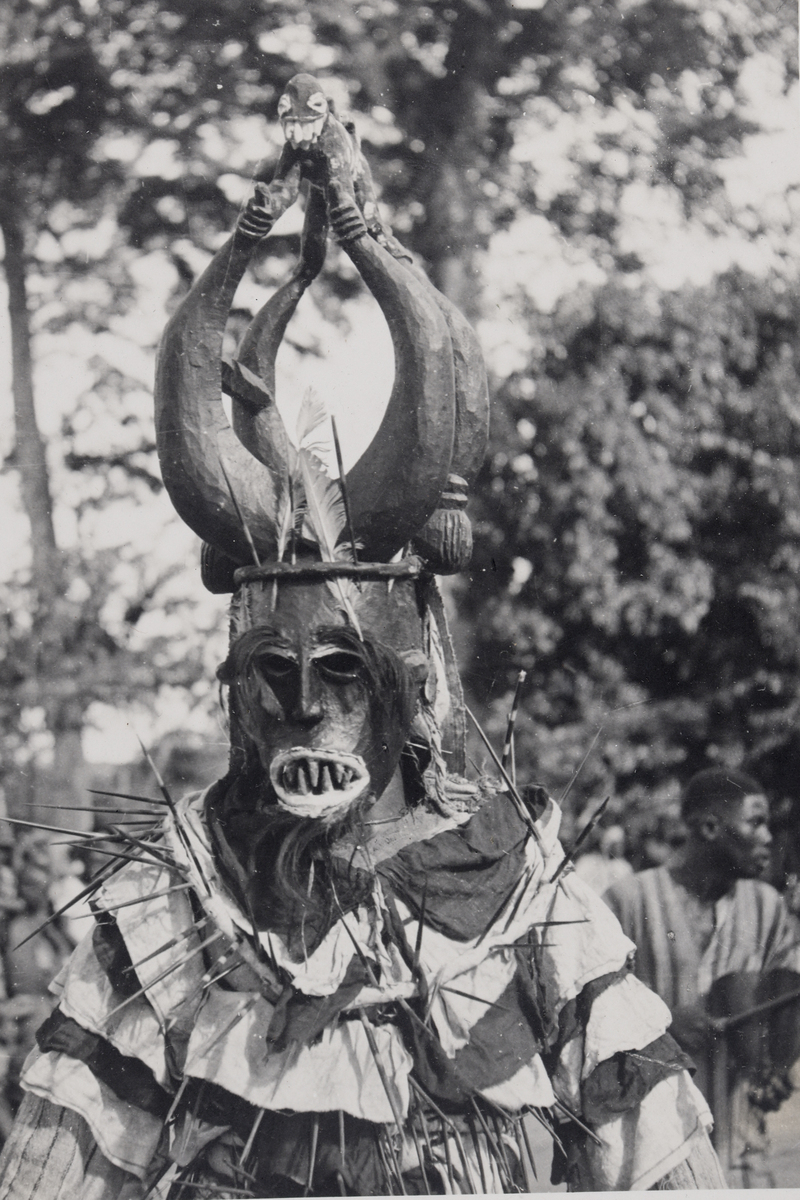
A photograph depicting a close up portrait of an Oganochi mgbedike masquerader standing and facing the camera. The masquerader wears a full length cloth costume featuring light and dark striped ruffles on the body, upper arms, and legs, with porcupine quills hanging from the edges. The headgear consists of a dark wooden helmet mask with white paint accentuating the mouth, teeth, and eyes, resembling a lion elephant mask. The mask is topped with four carved horns curling inwards and a carved animal finial. Two feathers are held in the front band at the base of the horns. Spectators, a thatched hut, and trees are visible in the background.
Community Notes

Onyeka Nwokike
Oct 24, 2026
Mgbedike translates to "Time of the Brave" or "The Brave One Has Landed" and is also referred to as Agaba, as noted in Mgbedike Masquerade in Full Warrior Mode!. This masquerade personifies Ikenga in a deified or cultic form, embodying themes of social order, justice, and courage (Mgbedike Masquerade: Origins, Cultural Significance, and Traditions of a Revered Igbo Heritage). It is traditionally believed to bring blessings and good fortune to the community.
Onyeka Nwokike
Oct 24, 2026
Performance of the Mgbedike was restricted to the strongest men within the community's middle-age grade, typically those between thirty and fifty years old (The Metropolitan Museum of Art). Unlike the gentle maiden spirit masks performed by the same age cohort, the Mgbedike is characterized by a forceful presence and a heavy gait.
Onyeka Nwokike
Oct 24, 2026
Nimo, also known as Nimo Owelle, is situated within the Njikoka Local Government Area of Anambra State (Oganochi Mgbedike Masquerader, Nimo - Archives). The surrounding Nri-Awka region was the center of the Nri Civilization, which is credited with producing some of the earliest documented bronze works in Sub-Saharan Africa, dating back to approximately 800 AD.
Log in to add context.
Explore Further
Discover related books and stories to deepen your understanding.

Art of Eastern Nigeria
By G.I. Jones

Igbo Arts: Community and Cosmos
By Herbert M. Cole and Chike G. Aniakor

Under the Udala Trees
By Chinelo Okparanta

Igbo Art And Culture: And Other Essays
By Simon Ottenberg

On Black Sisters' Street
By Chika Unigwe

Things Fall Apart
By Chinua Achebe

THE DIBIA: Guardians of Ancient Wisdom and Healing in Igbo …
By Solomon Joe

Christianity and Igbo culture
By Edmund Ilogu
You May Also Like
Group Leading Masks for Boys Initiation
By G.I. Jones
Construction of Brick Buildings by the Royal Niger Company
By William Henry Crosse
Portrait of Man and Woman
By William Henry Crosse
Ika Igbo Wooden Carvings from the Western Igbo Region
By G.I. Jones
Ohafia Women with Traditional Long Braids
By Rev. William T. Weir
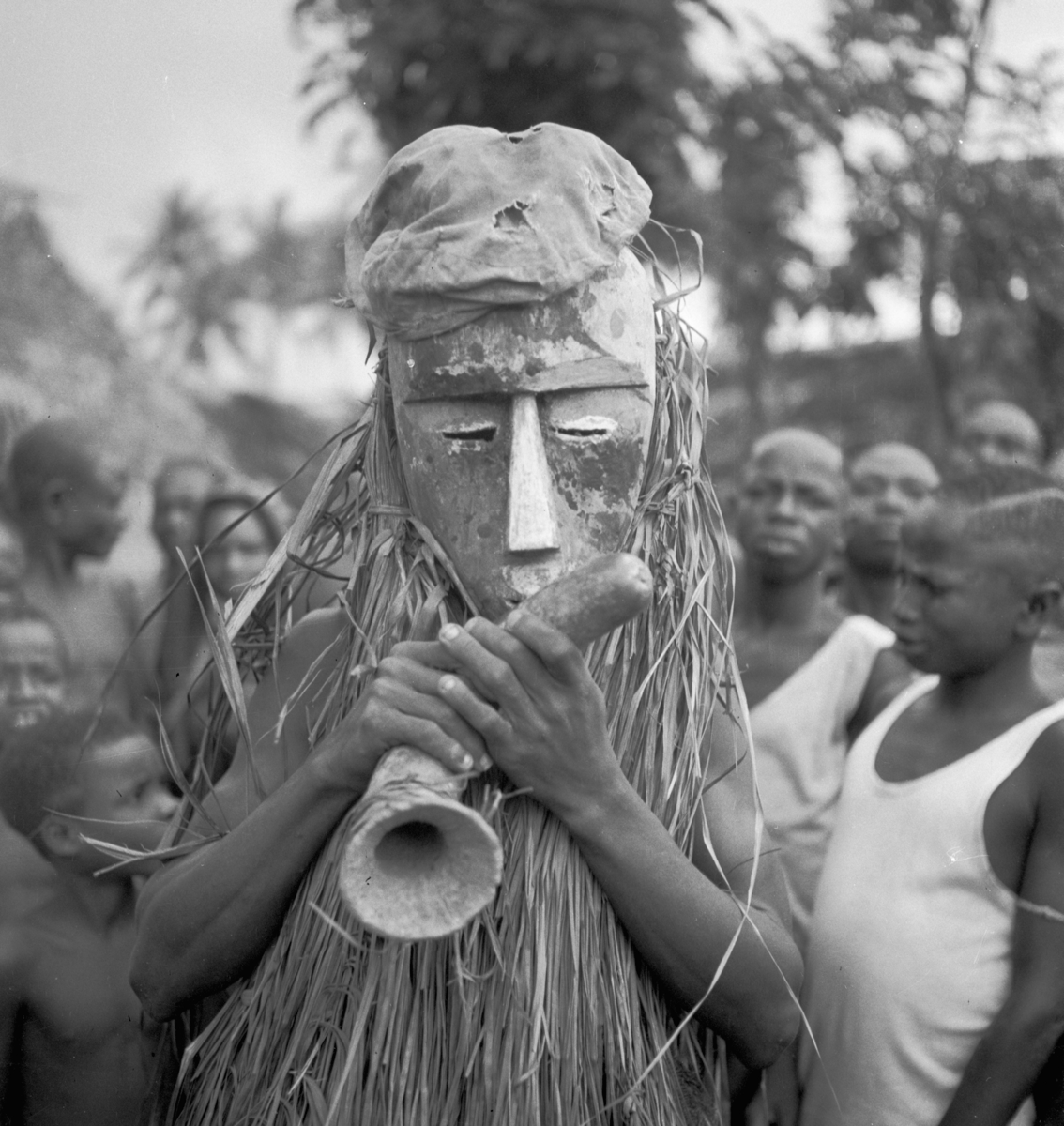
Ohaffia Masquerader Performing in Okwanku Masquerade, Akanu Village
By G.I. Jones

G.I. Jones at Nsude Village Shrine Pyramid
By G.I. Jones
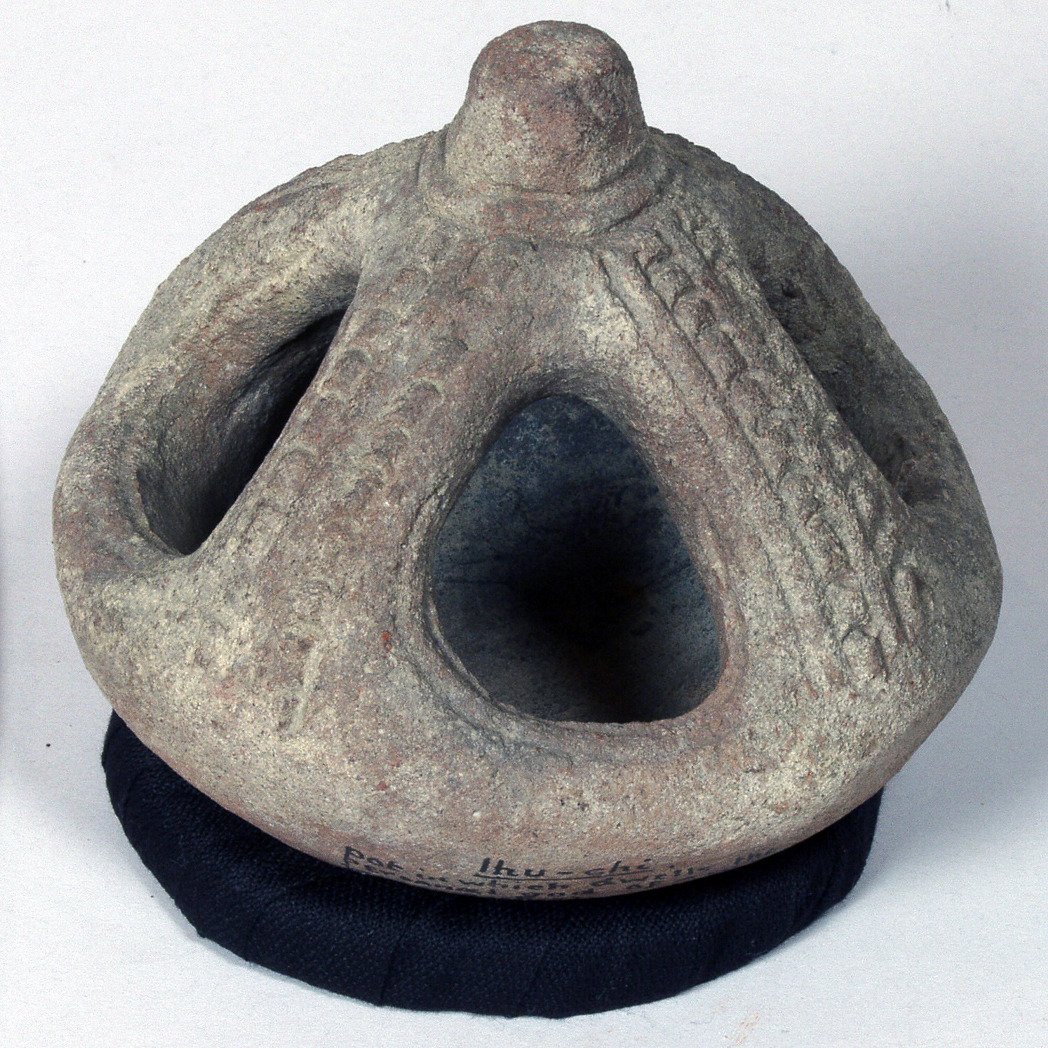
Pot believed to hold the personal spirit (chi)
By Percy Amaury Talbot
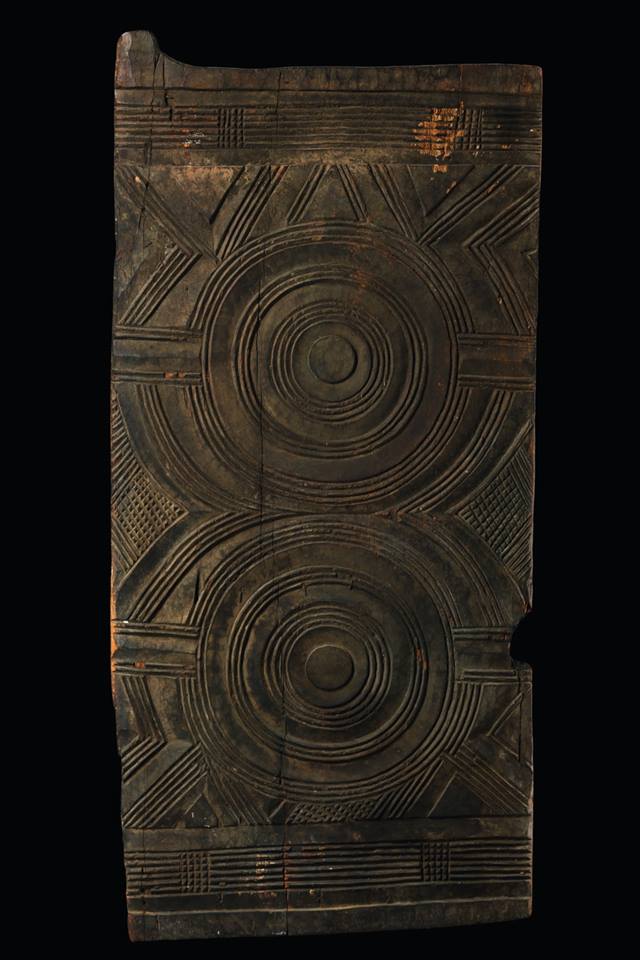
Heavy Wood Door from Nri Awka
No comments yet. Be the first to share your thoughts!