

Ajofia Nnewi Masquerade Mask
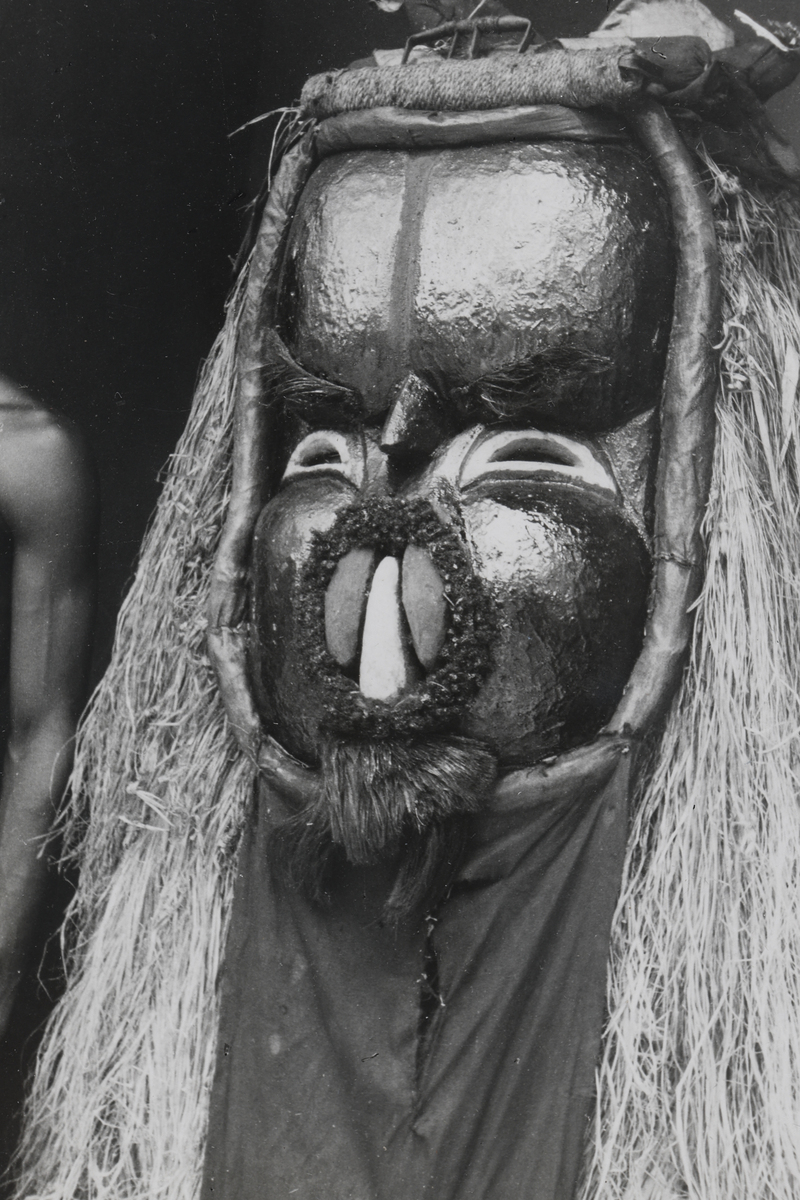
A photograph depicting a close-up of a character in the Ajofia Nnewi (evil forest) masquerade. The mask is painted black with a bulbous forehead and cheeks, and tear-shaped eyeslits highlighted with light pigment. The headpiece features a polished, high-gloss facial surface, almond-shaped ocular apertures with textured eyebrows, and a circular oral cavity bordered by a ring of coarse, dark organic material. Fibrous elements, including a lateral fringe of raffia or dried grass, frame the face, and the mask terminates in a dark textile covering the neck and upper torso.
Community Notes

Onyeka Nwokike
Oct 22, 2026
The name Ajofia Nnewi translates to "Evil Forest of Nnewi" in the Igbo language, where Ajo means evil and Ofia means forest, as detailed by the African Masquerades Wiki. It is regarded as one of the most feared and respected figures in Igbo masquerade festivals, earning a reputation as a celebrity masquerade within the region (Daily Times Nigeria).
Onyeka Nwokike
Oct 22, 2026
Performances of the Ajofia Nnewi involve the use of song poetry, rhymes, and Igbo proverbs to denounce social injustices, according to the YouTube Official Description. Due to the sacred and feared nature of the entity, women are prohibited from being in close proximity during its appearances (African Masquerades Wiki).
Onyeka Nwokike
Oct 22, 2026
Beyond performance, the masquerade serves as a symbol of ancestral reverence, collective identity, and the maintenance of moral order (Mmanwu). The iconic figure was created by a visionary named Angos, hailing from Umudim, one of the four villages of Nnewi (Nnewi City).
Log in to add context.
Explore Further
Discover related books and stories to deepen your understanding.

Art of Eastern Nigeria
By G.I. Jones

Igbo Art And Culture: And Other Essays
By Simon Ottenberg

The Thing Around Your Neck
By Chimamanda Ngozi Adichie

Burning Grass
By Cyprian Ekwensi

On Black Sisters' Street
By Chika Unigwe

A Grammar of Contemporary Igbo: Constituents, Features and Processes
By E. Nolue Emenanjo
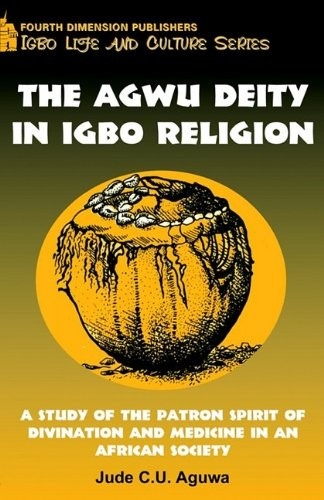
The Agwu deity in Igbo religion
By Jude C. U. Aguwa

Igbo market literature
By Sebastian Okechukwu Mezu

Perspectives On Aro History & Civilization: The Splendour of a …
By Mazi Azubike Okoro and Mazi Ben Ezumah
You May Also Like
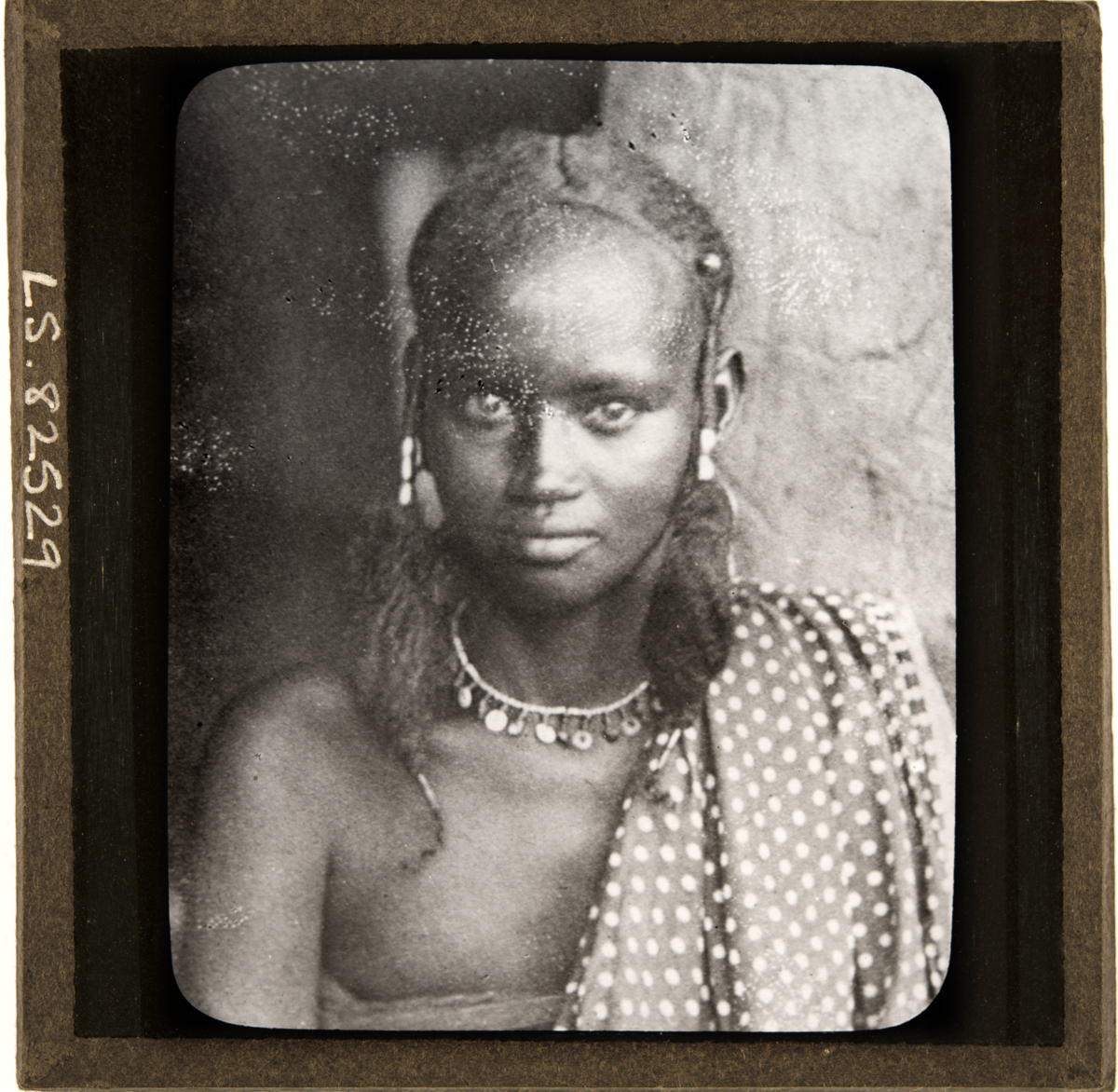
Portrait of a Woman along the Niger River
By William Henry Crosse
Rearview of Igbo Boy with Elaborate Hairstyle
By J Stöcker
Portrait of an Igbo Man with Ichi Markings
By Northcote Thomas
Buildings and Warehouses along the River Niger
By William Henry Crosse
Uxurhe Staffs
By G.I. Jones
Group Portrait of Six Men in the Onitsha Area
By William Henry Crosse
Royal Niger Company Steam Vessel on the Niger River
By William Henry Crosse
Domestic assemblage and sleeping area
By William Henry Crosse
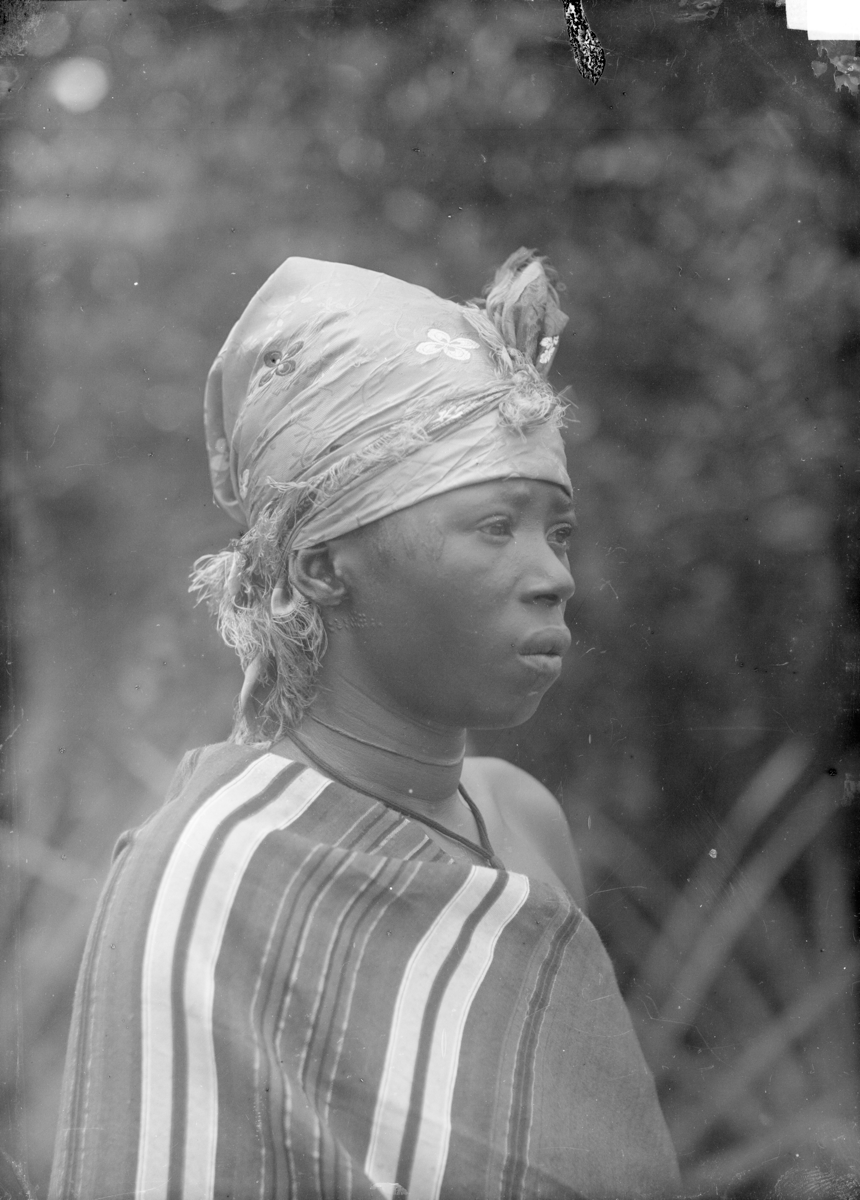
Portrait of a Woman with Neck Markings
By William Henry Crosse
No comments yet. Be the first to share your thoughts!