

Ikenga Figure from Idemili
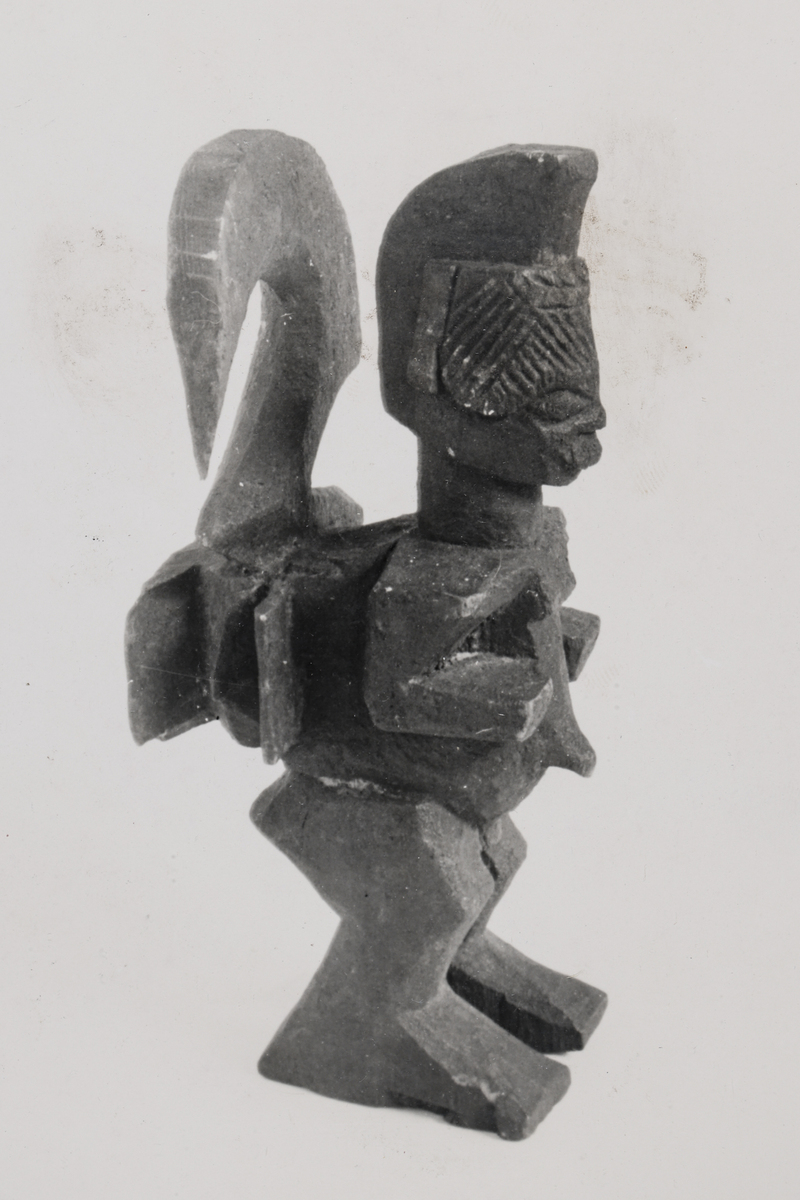
A photograph depicting an Ikenga figure in profile. The sculpture features a stylized humanoid head with a prominent, vertically oriented crest curving toward the rear. The face is abstracted with a flattened nose and a recessed ocular area, while diagonal incisions on the side of the head suggest hair or decorative patterns. The torso is composed of geometric, block-like volumes, with arms integrated into the body and holding a rectangular object against the chest. The lower extremities are in a dynamic, striding posture with thick, rectangular feet. A large, curved, hook-shaped posterior appendage mirrors the cranial crest, extending upward and curving forward. The object is documented as having a bird-like tail, with a vertical fracture visible in the mid-section near the junction of the torso and upper leg.
Community Notes

Onyeka Nwokike
Nov 25, 2026
Ikenga sculptures were traditionally employed in male cults to address themes of personal power, success, and failure. Beyond personal ownership, these figures were often placed in the shrines of diviners or used by corporate tutelary cults as representative symbols for specific age grades and communities, as detailed by Rand African Art.
Log in to add context.
Explore Further
Discover related books and stories to deepen your understanding.

IKENGA QUEST: One Man's Quest for His African Heritage
By Gerald Oluchi Ibe

Igbo Arts: Community and Cosmos
By Herbert M. Cole and Chike G. Aniakor

Art of Eastern Nigeria
By G.I. Jones

A Grammar of Contemporary Igbo: Constituents, Features and Processes
By E. Nolue Emenanjo

Ohaffia: A Matrilineal Ibo People
By Philip O. Nsugbe

An Igbo civilization
By M. Angulu Onwuejeogwu

Idu
By Flora Nwapa

Guns and Society in Colonial Nigeria: Firearms, Culture, and Public …
By Saheed Aderinto

The Asaba Massacre: Trauma, Memory, and the Nigerian Civil War
By S. Elizabeth Bird and Fraser M. Ottanelli
You May Also Like
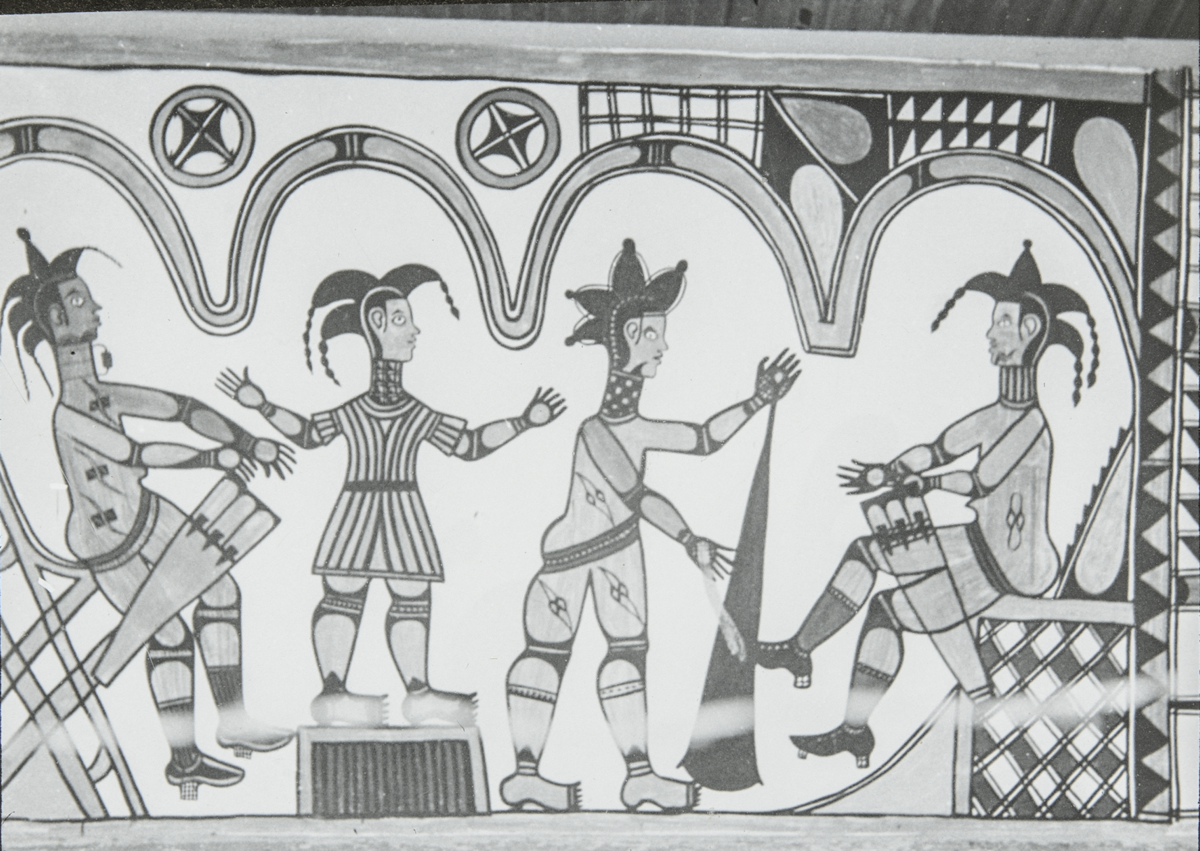
Wall Painting in Okwu Village
By G.I. Jones
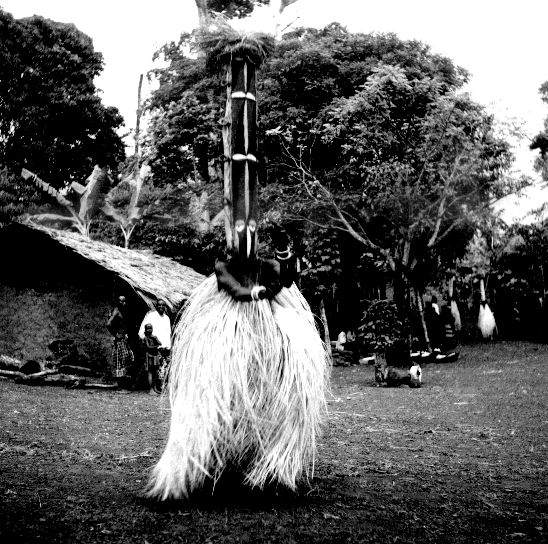
Dancing Initiation Masks, Boys Initiation
By G.I. Jones
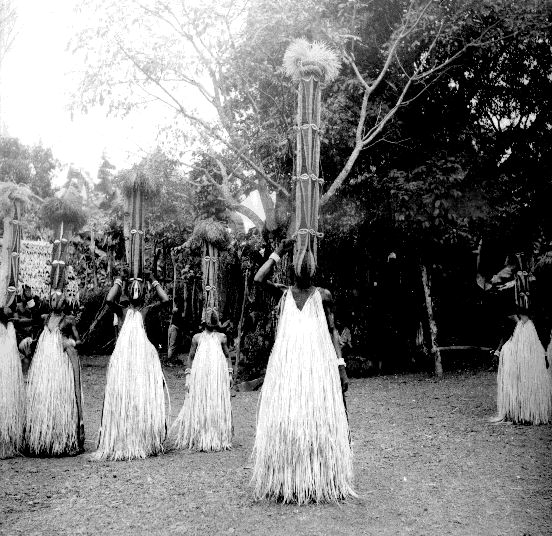
Dancing Initiation Masks, Boys Initiation
By G.I. Jones
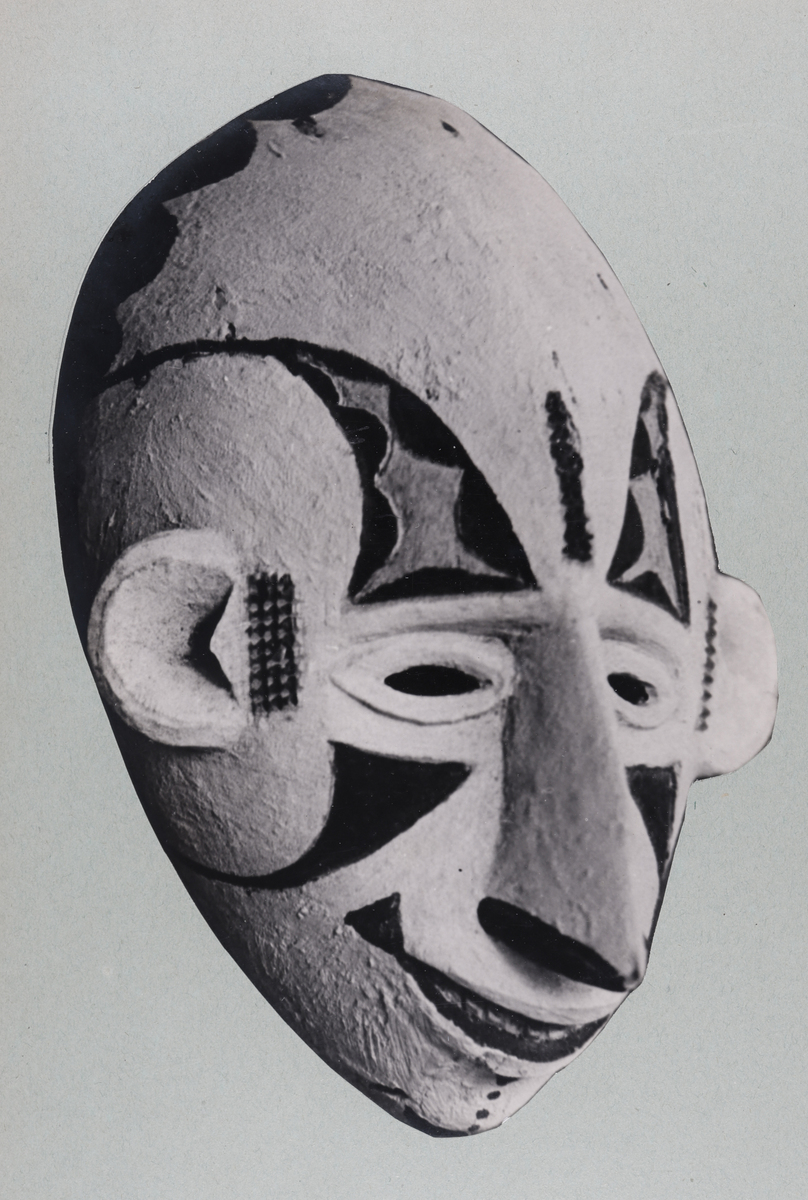
Mau Ghost Face Mask
By G.I. Jones
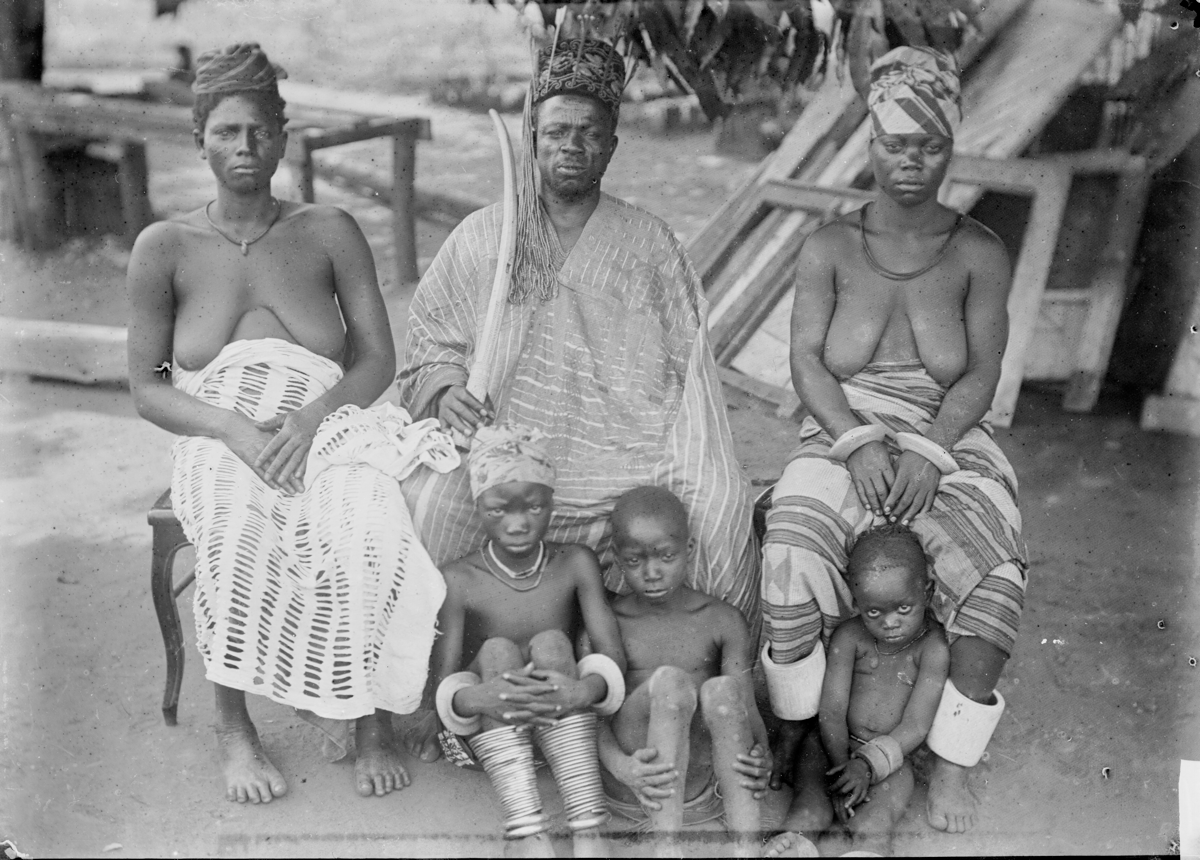
Family Group Along the Niger River
By William Henry Crosse
Museum Identification Labels for Fish Trap from Awgbu
By Paul Basu
Okike, Ikenga and Other Shrines of North Ika
By G.I. Jones
Questionnaire on Dolls
By Northcote Thomas
Dancer Wearing Fish Mask
By G.I. Jones
No comments yet. Be the first to share your thoughts!