

Study of Nigerian Igbo Sculpture
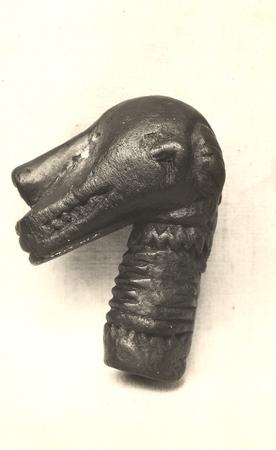
A photograph depicting a zoomorphic sculpture from Nigeria. The sculpture features a stylized animal head with an elongated, tapered snout and a rounded cranial region. The lower jawline is defined by notched ridges. The head is mounted on a vertical, cylindrical base divided into horizontal bands, including a superior band with a zigzag or serrated pattern and a medial section with shallow horizontal grooves. The image is a monochromatic gelatin silver print set against a neutral background.
Community Notes

Onyeka Nwokike
Nov 25, 2026
The photograph is part of the British Museum's historical photographic archive, specifically the Africa, Box or Book series (indicated by the Af,B prefix). It was captured by Edward Rowland Chadwick, a British District Officer who documented Igbo culture between 1927 and 1943, focusing on the Oguta and Umuahia regions. Details regarding the geography and ethnic group were later suggested by curator N.F. Barley in 1998, as noted in the British Museum collections database.
Onyeka Nwokike
Nov 25, 2026
The sculpture exhibits stylistic traits associated with the Igbo-Ukwu or Lower Niger Bronze Industry traditions and was likely crafted from a copper alloy or dark-stained wood. In Igbo ritual art, the elongated snout typically represents a ram or a crocodile (eke), symbolizing strength and spiritual connection. The notched ridges on the jaw and the zigzag pattern on the base are diagnostic of ritual objects used as markers of ancestral authority or as components of ceremonial staffs (Ofor). Such cylindrical bases frequently served as pedestals for shrine altars or sockets for wooden staffs.
Log in to add context.
Explore Further
Discover related books and stories to deepen your understanding.

An Introduction to Nigerian Traditional Architecture: South-Eastern Nigeria: The Igbo-speaking …
By Z.R. Dmochowski

Igbo Arts: Community and Cosmos
By Herbert M. Cole and Chike G. Aniakor

Ohaffia: A Matrilineal Ibo People
By Philip O. Nsugbe

A Grammar of Contemporary Igbo: Constituents, Features and Processes
By E. Nolue Emenanjo

Second Class Citizen
By Buchi Emecheta

The Rise of British Colonialism in Southern Nigeria, 1700-1900: A …
By Kalu E. Ume
Encyclopaedia of Igbo Artefacts
By Dandy Ahaoma Ahuruonye

THE INDIGENOUS PEOPLE OF IGBOLAND: A Captivating Guide to the …
By Vivian Chibuife

The Joys of Motherhood
By Buchi Emecheta
Aba and British Rule
By Dandy Ahuruonye
You May Also Like
Igbo Compound Walls
By Herbert Wimberley
Nwanyi Oma Masquerade, Boys Initiation, Etiti Ama
By G.I. Jones
Exhibition Stall of Local Produce
Group Leading Masks for Boys Initiation
By G.I. Jones
Transcription of Speech by Chief Onyeso of Agukwu Nri
By Northcote Thomas
Portrait of an Igbo Woman Clerk in Maiduguri
By Edward Shearman Ross
Figure in an Ancestral Shrine, North Ika
By G.I. Jones
Linguistic Documentation of Igbo Tones and Phrases
By Northcote Thomas
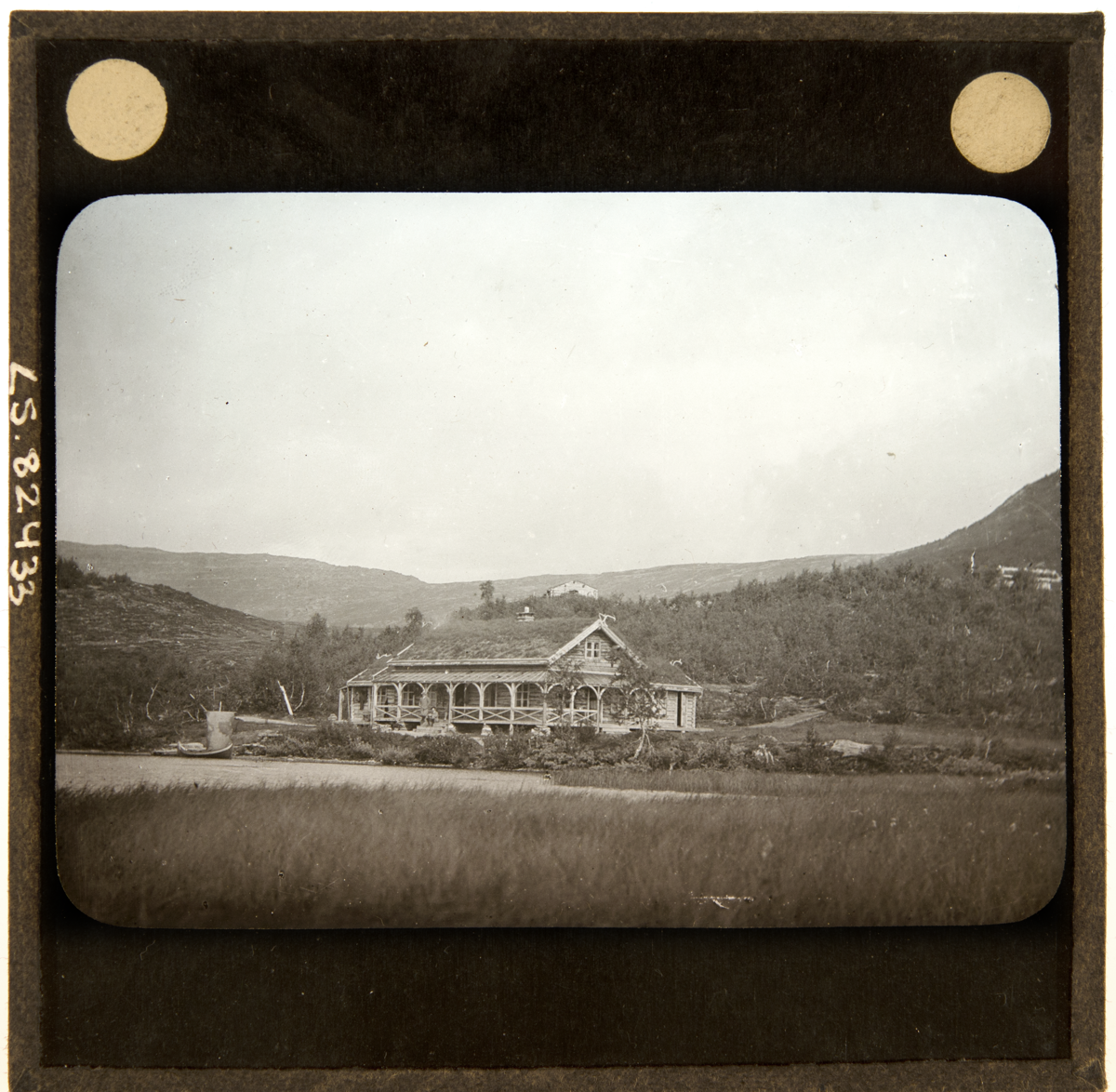
Building on the Banks of the Niger River
By William Henry Crosse
No comments yet. Be the first to share your thoughts!