

Buildings and Warehouses along the River Niger
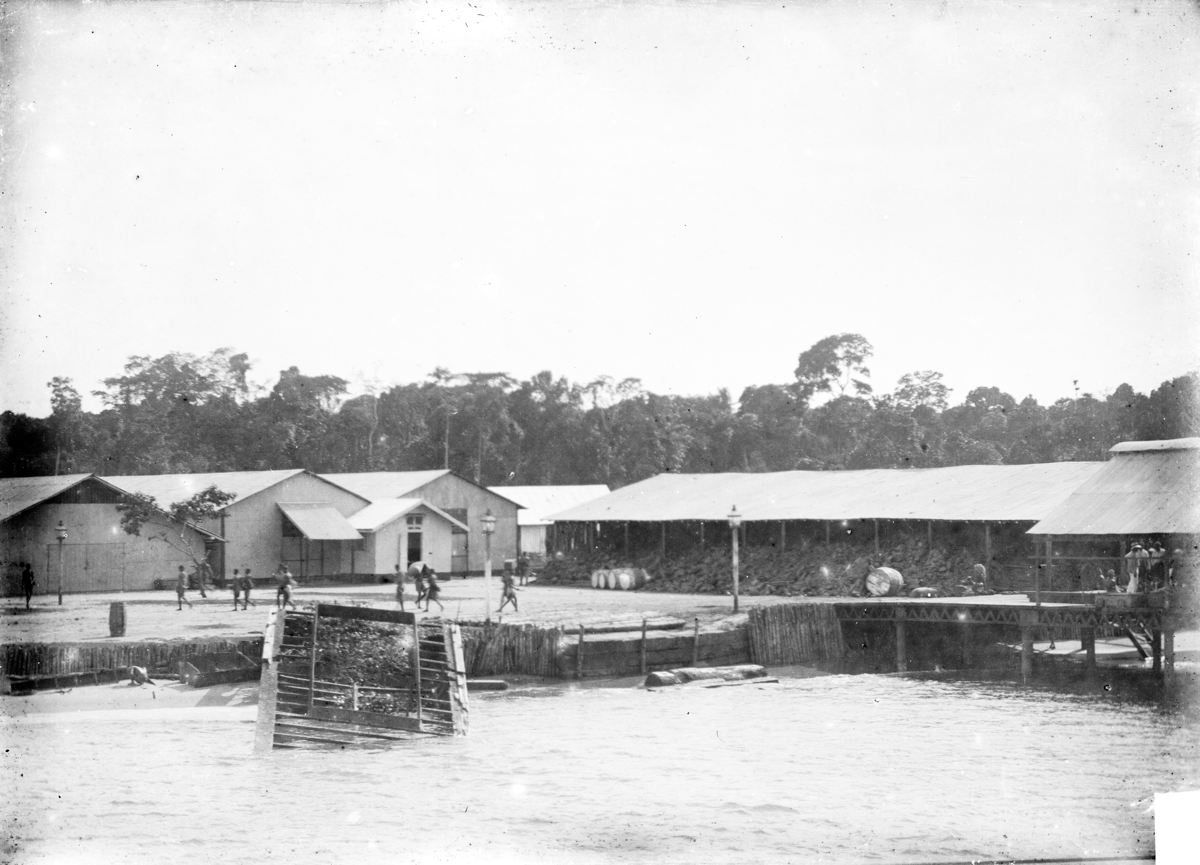
A photograph depicting buildings and warehouses along the River Niger. The image shows a series of low-profile, single-story buildings with gabled roofs and a long, open-fronted warehouse containing stacked raw materials, likely palm oil, as indicated by the metadata. The shoreline is reinforced with wooden pilings and a pier extending over the water. Several human figures in light-colored clothing are dispersed across the cleared area, and large cylindrical drums are situated near the buildings. The background features a dense, continuous canopy of trees, providing a high contrast against an overexposed sky. This record is part of the Crosse Collection, taken during his tenure as Principal Medical Officer for the Royal Niger Company between 1886 and 1895.
Community Notes

Onyeka Nwokike
Sep 24, 2026
The Royal Niger Company (RNC) operated under a royal charter granted on July 12, 1886, which enabled it to exercise a trade monopoly within the Niger River basin (Royal Niger Company: Grokipedia). This monopoly allowed the company to control the export of primary commodities, including groundnuts, cotton, and the palm oil depicted in this photograph, until the charter's revocation in 1899.
Onyeka Nwokike
Sep 24, 2026
To facilitate its commercial operations, the RNC established its headquarters at Asaba and developed a network of stations and river ports along the Niger and Benue rivers (Papers of the Royal Niger Company | Bodleian Archives). During this period, several major towns including Lokoja, Idah, Onitsha, Asaba, Warri, Sapele, Burutu, and Forcados functioned as essential inland ports and trading stations (The Colonial Economy in the Lower Niger Region).
Onyeka Nwokike
Sep 24, 2026
The rise of the RNC's monopoly severely disrupted traditional trade networks and the livelihoods of African middlemen, particularly in major trading hubs such as Onitsha and Asaba (Palm Oil Monopoly and Igbo Merchants | Ozikoro). Such economic tensions contributed to instances of colonial resistance, including the 1895 attack on the RNC depot at Akassa led by Frederick William Koko, which resulted in the destruction of company offices and warehouses (Frederick William Koko Mingi VIII of Nembe - Wikipedia).
Log in to add context.
Explore Further
Discover related books and stories to deepen your understanding.

Trade Winds on the Niger: Saga of the Royal Niger …
By Geoffrey L. Baker

An Introduction to Nigerian Traditional Architecture: South-Eastern Nigeria: The Igbo-speaking …
By Z.R. Dmochowski

The Gospel on the Banks of the Niger: Journals and …
By Samuel Crowther and John Christopher Taylor

Chike and the River
By Chinua Achebe

The Rise of British Colonialism in Southern Nigeria, 1700-1900: A …
By Kalu E. Ume

Under the Udala Trees
By Chinelo Okparanta

Happiness, Like Water
By Chinelo Okparanta
Mammy Water in Igbo culture
By Sabine Jell-Bahlsen

Lessons From Vernacular Architecture in Nigeria
By Joyce Lodson
POLYGAMY: THE WAY OF A CHIEF
By Dandy Ahuruonye
You May Also Like
Carved Wooden Figure, North Ika
By G.I. Jones
Portrait of a Male Elder with Staff
By G.I. Jones
Portrait of a Man in a Roofed Building
By G.I. Jones
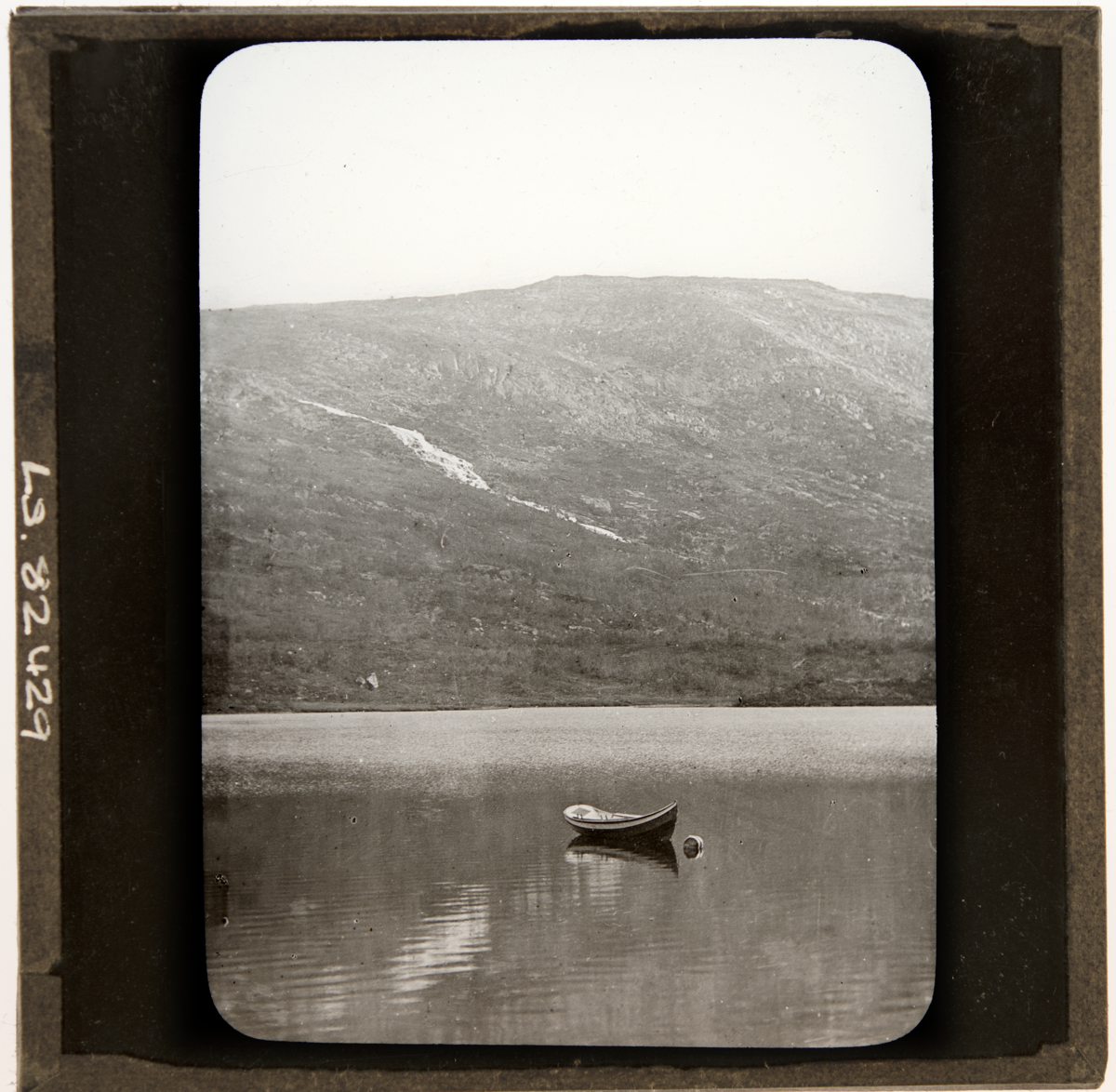
Landscape of the Niger River
By William Henry Crosse
Conversation in Igbo between John and Nwile
By Northcote Thomas
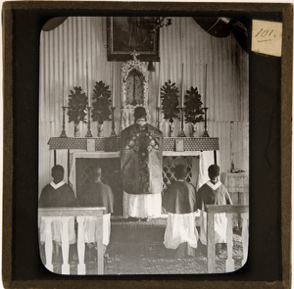
African Priest and Altar Boys at a Christian Church
By William Henry Crosse

Earthwork Structures and Wooden Barrels along the Niger River
By William Henry Crosse
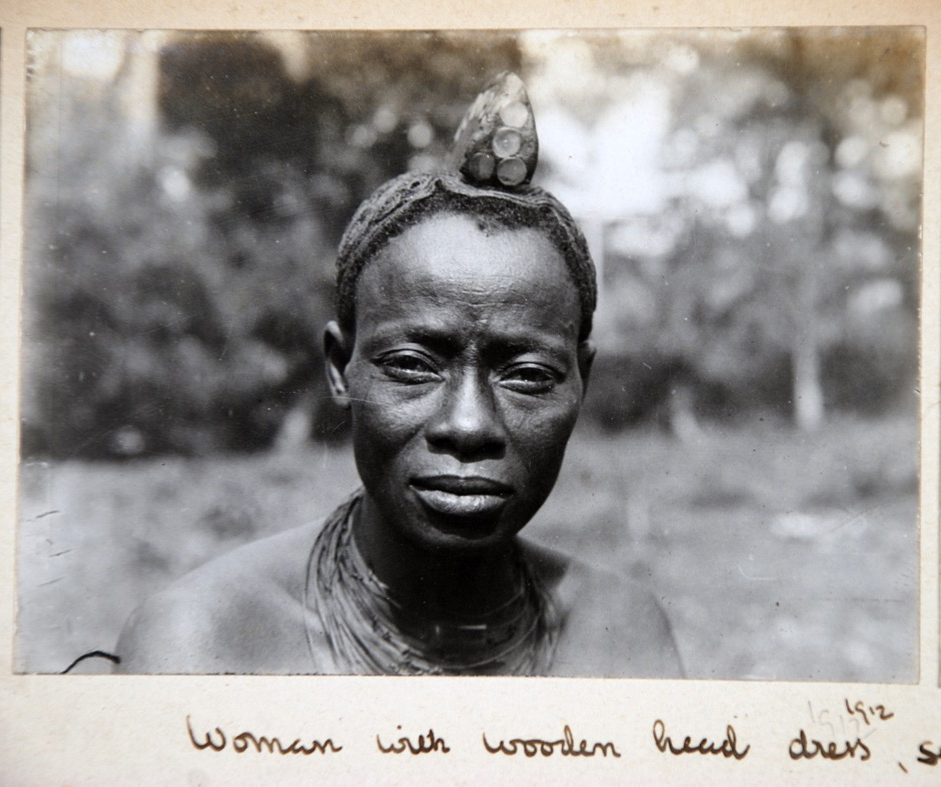
Igbo Elder from Awka on Oche Mpata
By Northcote Thomas
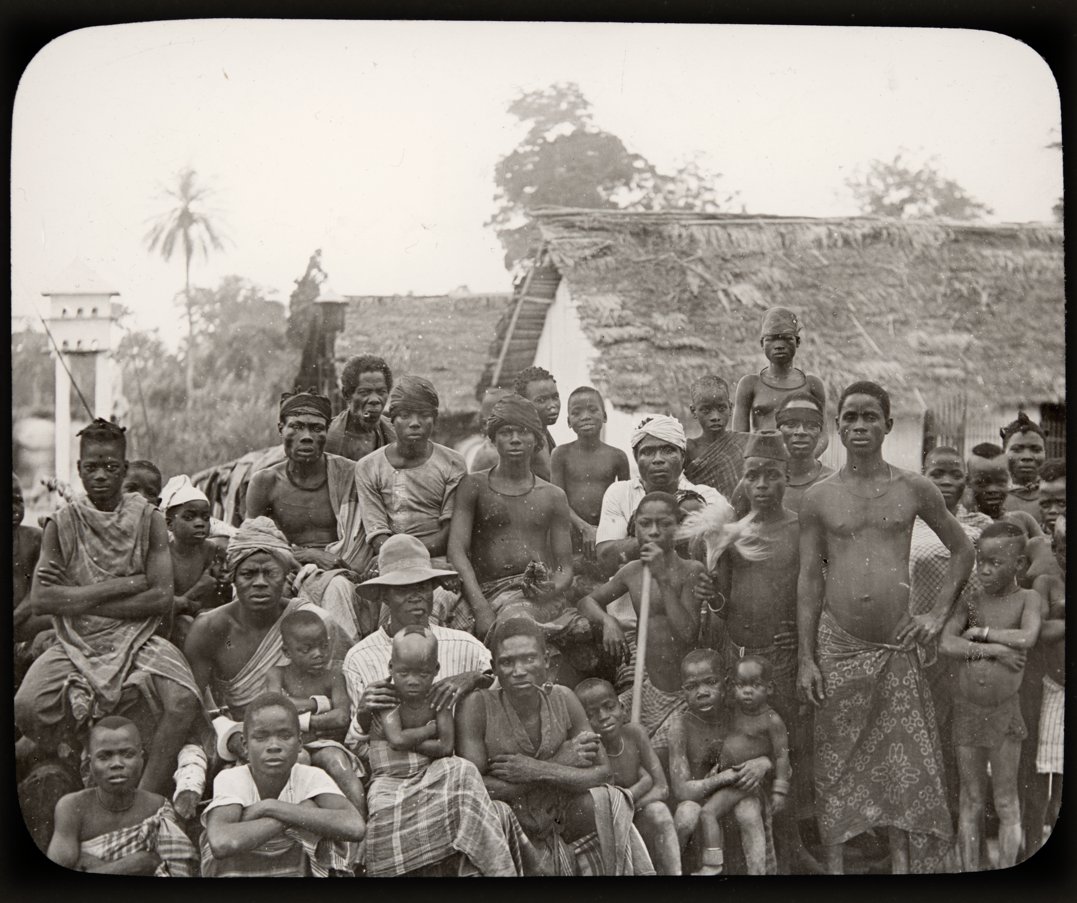
Group Portrait from Royal Niger Company
By William Henry Crosse
No comments yet. Be the first to share your thoughts!