

Nwanyi Oma Masquerade, Boys Initiation, Etiti Ama
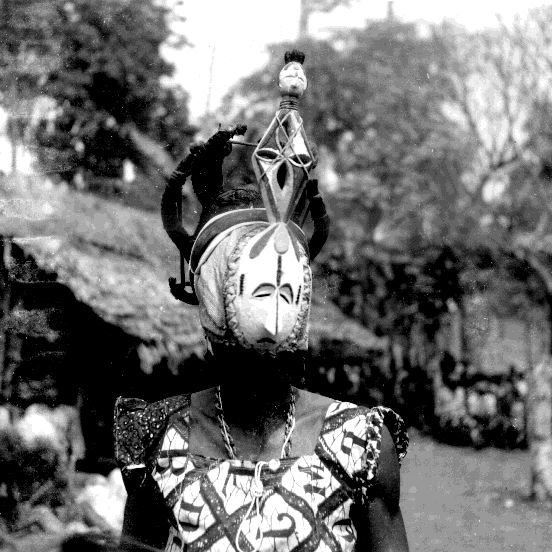
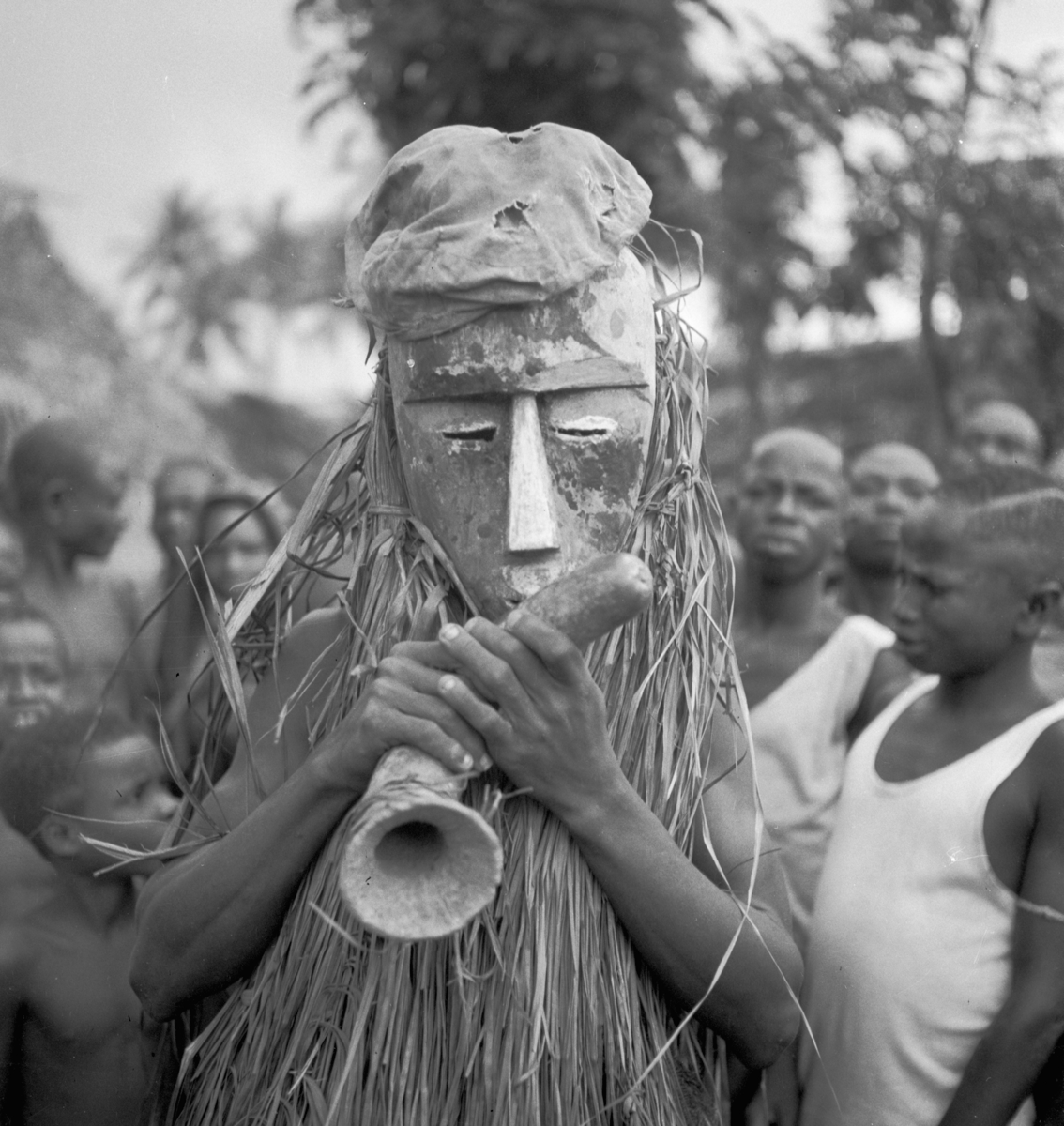
A monochromatic photograph depicting a central figure in the Nwanyi Oma masquerade attire during a boys' initiation ceremony in Etiti Ama. The subject wears a light-colored, ovoid facial mask with stylized features and a tall, geometric vertical superstructure with diamond-shaped cutouts, topped by a small sculpted figure. The attire consists of a sleeveless garment with high-contrast geometric patterns and a thin neck cord with small pendants. In the background, a blurred crowd of figures is gathered on an earthen surface near a thatched structure and dense foliage.
Community Notes

Onyeka Nwokike
Nov 14, 2026
The masquerade is part of the ceremonies for the Isiji trainees of the Egbela warrior society in Nkporo. As described in Dancing with History: Exploring the Nkporo Cultural Heritage, the Egbela society is central to communal life, utilizing a structured age-grade system to instill bravery, discipline, and social responsibility in young boys.
Onyeka Nwokike
Nov 14, 2026
The initiation process is linked to the isiji (head-yam) tradition. According to the Smithsonian Institution, this includes a specific dance where a father accompanies his firstborn son after the youth emerges from the bush toward the conclusion of the initiation rites.
Onyeka Nwokike
Nov 14, 2026
These rituals are part of a broader Cross River cultural complex shared among communities including Afikpo, Abiriba, and Ohafia. According to Igbo Archives, such ceremonies in the Etiti Ama quarter of Nkporo often feature specific ritual attire, including the tall, cylindrical headdresses characteristic of the Ofogu (or Ovu) mask.
Log in to add context.
Explore Further
Discover related books and stories to deepen your understanding.

Igbo Art And Culture: And Other Essays
By Simon Ottenberg

Art of Eastern Nigeria
By G.I. Jones

The Thing Around Your Neck
By Chimamanda Ngozi Adichie

The Asaba Massacre: Trauma, Memory, and the Nigerian Civil War
By S. Elizabeth Bird and Fraser M. Ottanelli

THE DIBIA: Guardians of Ancient Wisdom and Healing in Igbo …
By Solomon Joe

A Grammar of Contemporary Igbo: Constituents, Features and Processes
By E. Nolue Emenanjo

Efuru
By Flora Nwapa

On Black Sisters' Street
By Chika Unigwe

Igbo Arts: Community and Cosmos
By Herbert M. Cole and Chike G. Aniakor
The Igbo, The Placenta, and The Umbilical Cord
By Dandy Ahaoma Ahuruonye
POLYGAMY: THE WAY OF A CHIEF
By Dandy Ahuruonye
You May Also Like
Igbo Chief and European Men
Dancing Initiation Masks, Boys Initiation
By G.I. Jones
Mau Ghost Face Mask
By G.I. Jones
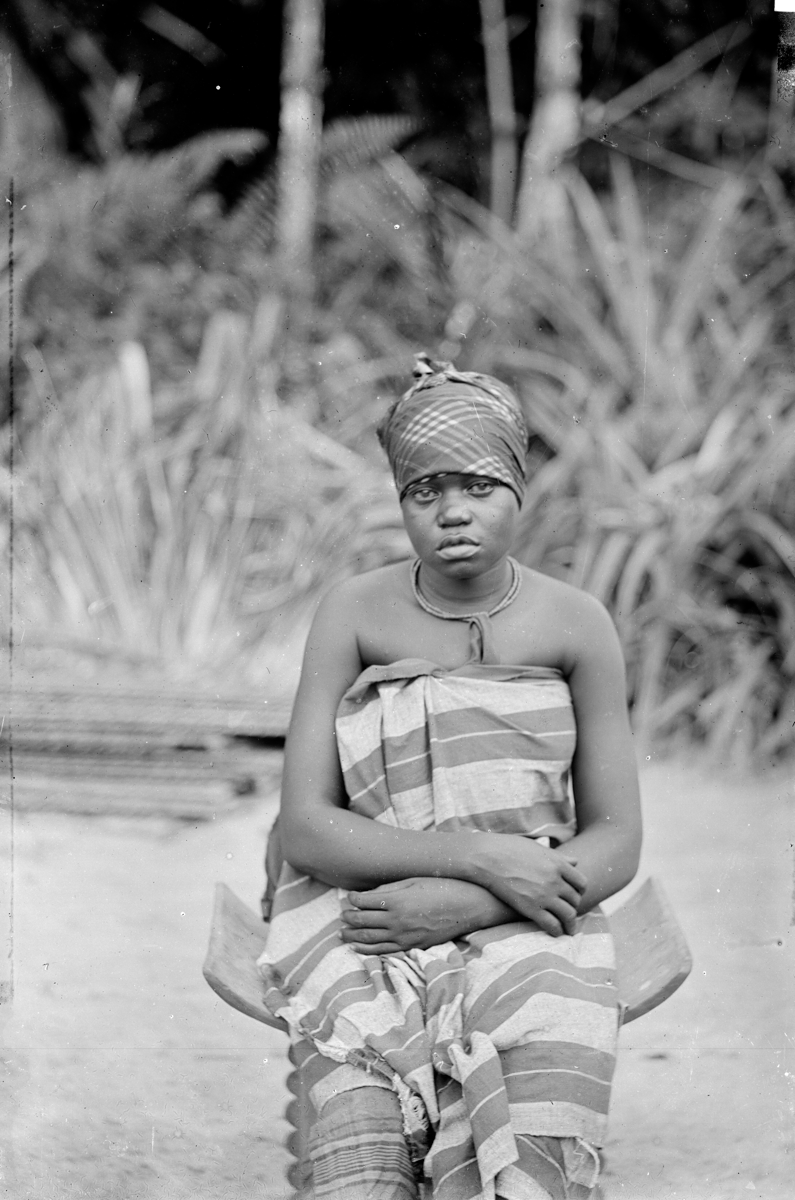
Portrait of a Woman in Striped Cloth
By William Henry Crosse
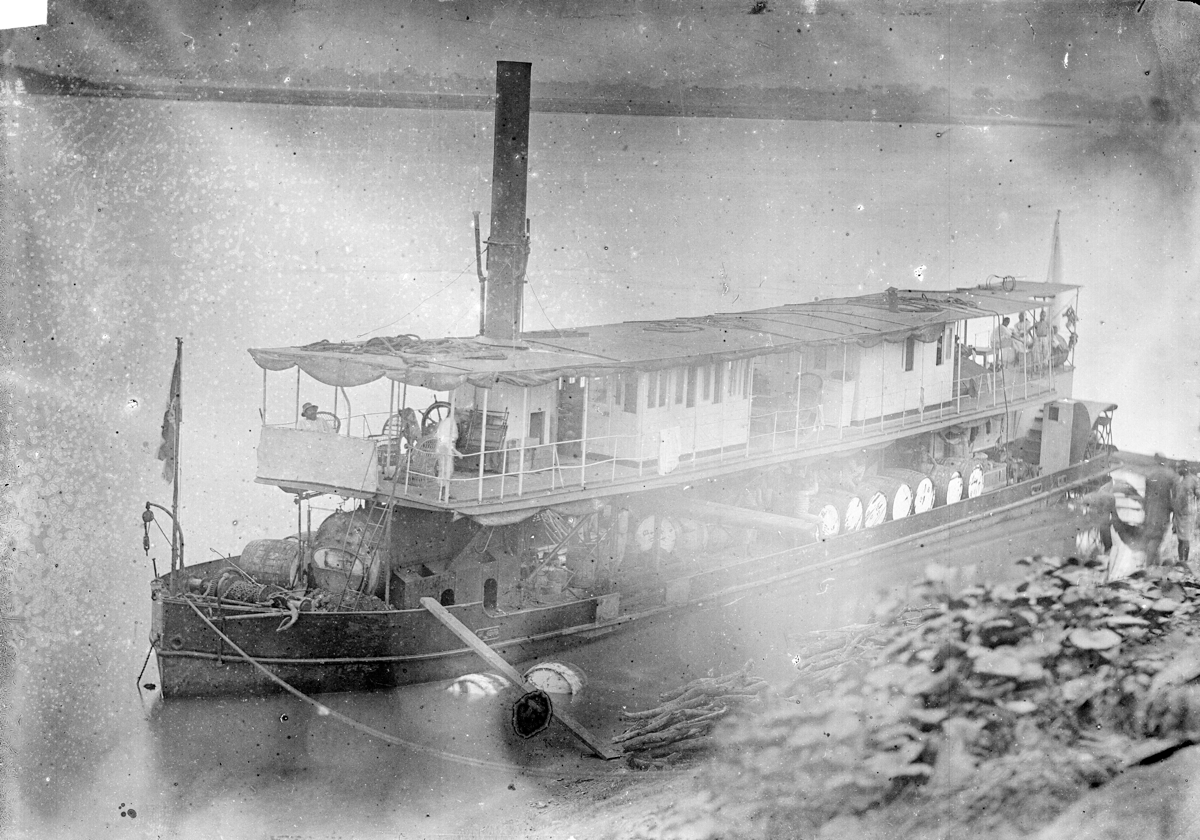
Royal Niger Company Vessel on the Niger River
By William Henry Crosse
Linguistic Documentation of Igbo Tones and Phrases
By Northcote Thomas
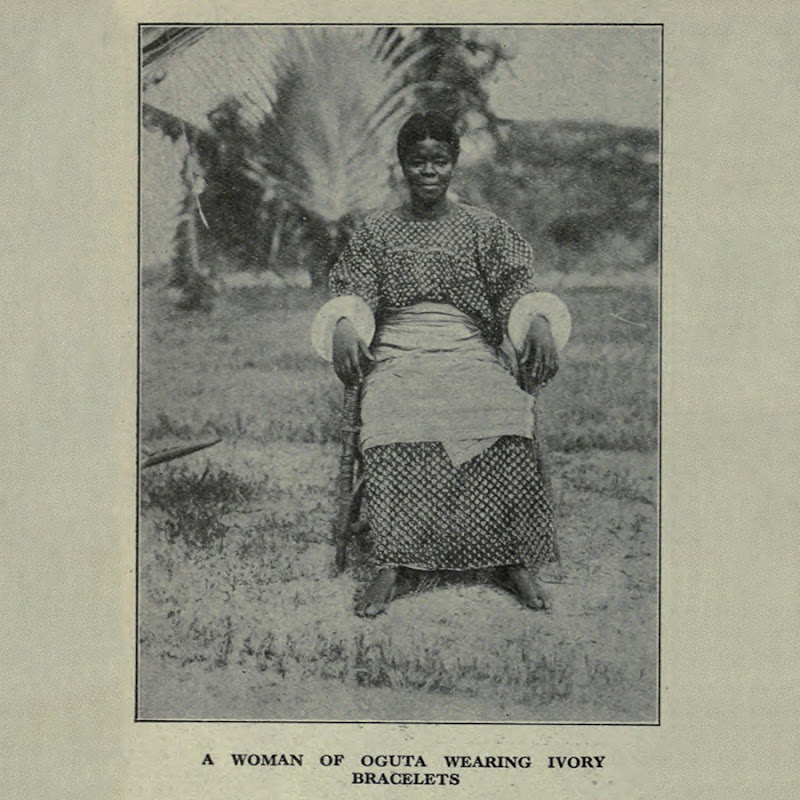
A Lady of Ụgwụtā wearing Ivory
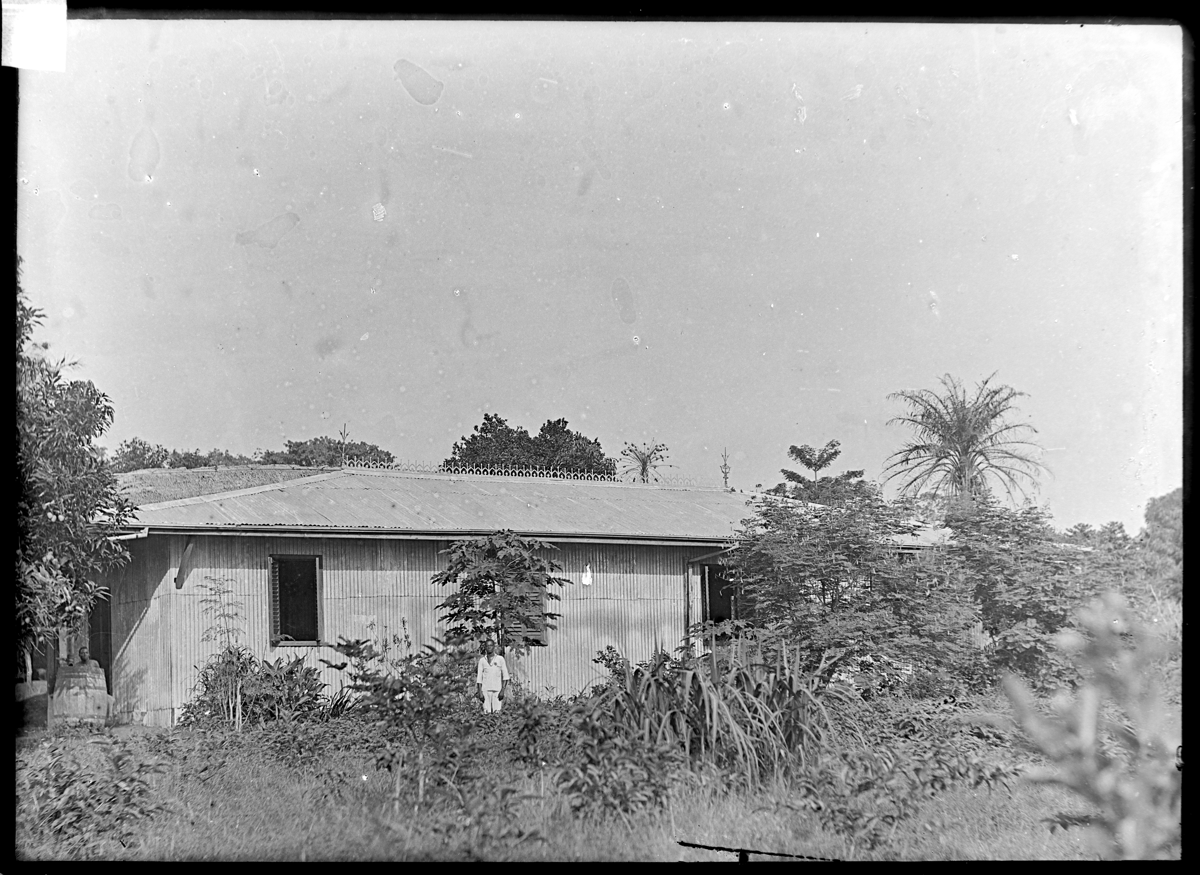
Corrugated Metal Building and Individual along the Niger River
By William Henry Crosse
Ohaffia Masquerader Performing in Okwanku Masquerade, Akanu Village
By G.I. Jones
No comments yet. Be the first to share your thoughts!