
Man in Embroidered Beadwork Canvas Costume and Mask
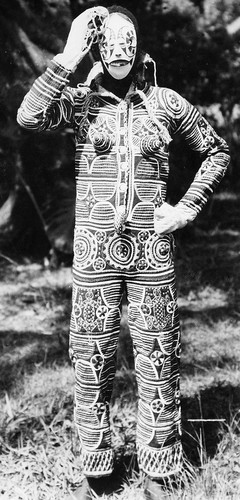
A monochrome, full-length photographic portrait of a man standing in a frontal, upright posture. The subject is wearing an elaborate, form-fitting suit that covers the torso, arms, and legs, featuring a high-density pattern of geometric and organic motifs, including concentric circles and cross-shaped motifs. The garment's thoracic region includes two hemispherical forms to mimic female mammary anatomy. The subject wears a light-colored mask that covers the face and a dark-toned hood that obscures the hair and neck. The figure stands on uneven, textured ground in a wooded environment.
Community Notes

Onyeka Nwokike
Oct 11, 2026
This figure is an Agbogho Mmuo (Maiden Spirit) masquerade, which represents the Igbo ideal of female beauty. Though embodying feminine grace, these performances are traditionally carried out by young men to honor unmarried girls and ancestors. The light-colored mask signifies the purity of the ancestors and the realm of the spirit world.
Onyeka Nwokike
Oct 11, 2026
The use of an embroidered beadwork canvas costume represents a high-status or specialized regional variation, contrasting with the more common multicolored appliqué cloth suits. The intricate geometric motifs, such as the concentric circles and crosses, mirror traditional Uli body art designs and embody Igbo cosmological and aesthetic symbols.
Onyeka Nwokike
Oct 11, 2026
The photograph was captured by Edward Harland Duckworth (1894 to 1972), a British colonial officer and Inspector of Education in Nigeria from 1930 to 1944. As the founding editor of Nigeria Magazine, Duckworth campaigned for the preservation of Nigerian antiquities and the establishment of national museums. His extensive photographic record of mid-20th-century Nigerian culture is now preserved in institutions such as the Pitt Rivers Museum.
Log in to add context.
Explore Further
Discover related books and stories to deepen your understanding.

Art of Eastern Nigeria
By G.I. Jones

Igbo Art And Culture: And Other Essays
By Simon Ottenberg

The Thing Around Your Neck
By Chimamanda Ngozi Adichie
A Man of the People
By Chinua Achebe

The King in Every Man: Evolutionary Trends in Onitsha Ibo …
By Richard N. Henderson

Ohaffia: A Matrilineal Ibo People
By Philip O. Nsugbe

Igbo Arts: Community and Cosmos
By Herbert M. Cole and Chike G. Aniakor

Igbo Culture Through Art and Act: Ancient and Modern
By Kenneth Ubani

Second Class Citizen
By Buchi Emecheta
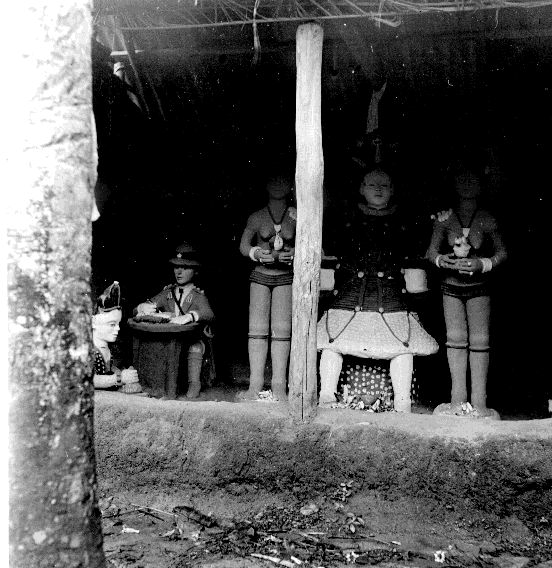
You May Also Like
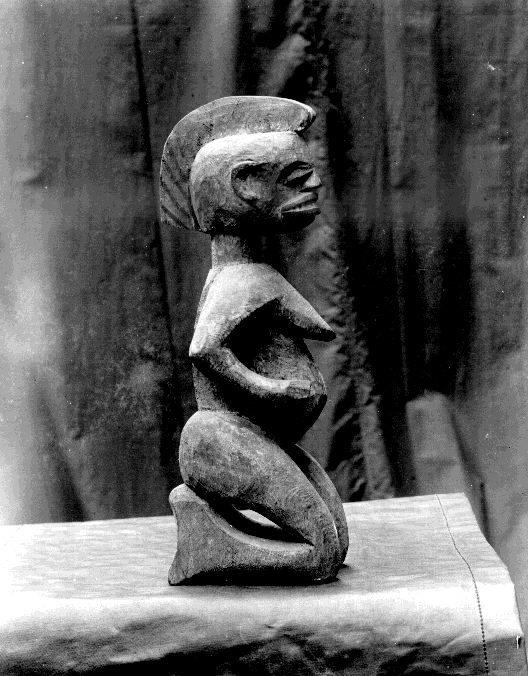
Carved Wooden Figure, North Ika
By G.I. Jones
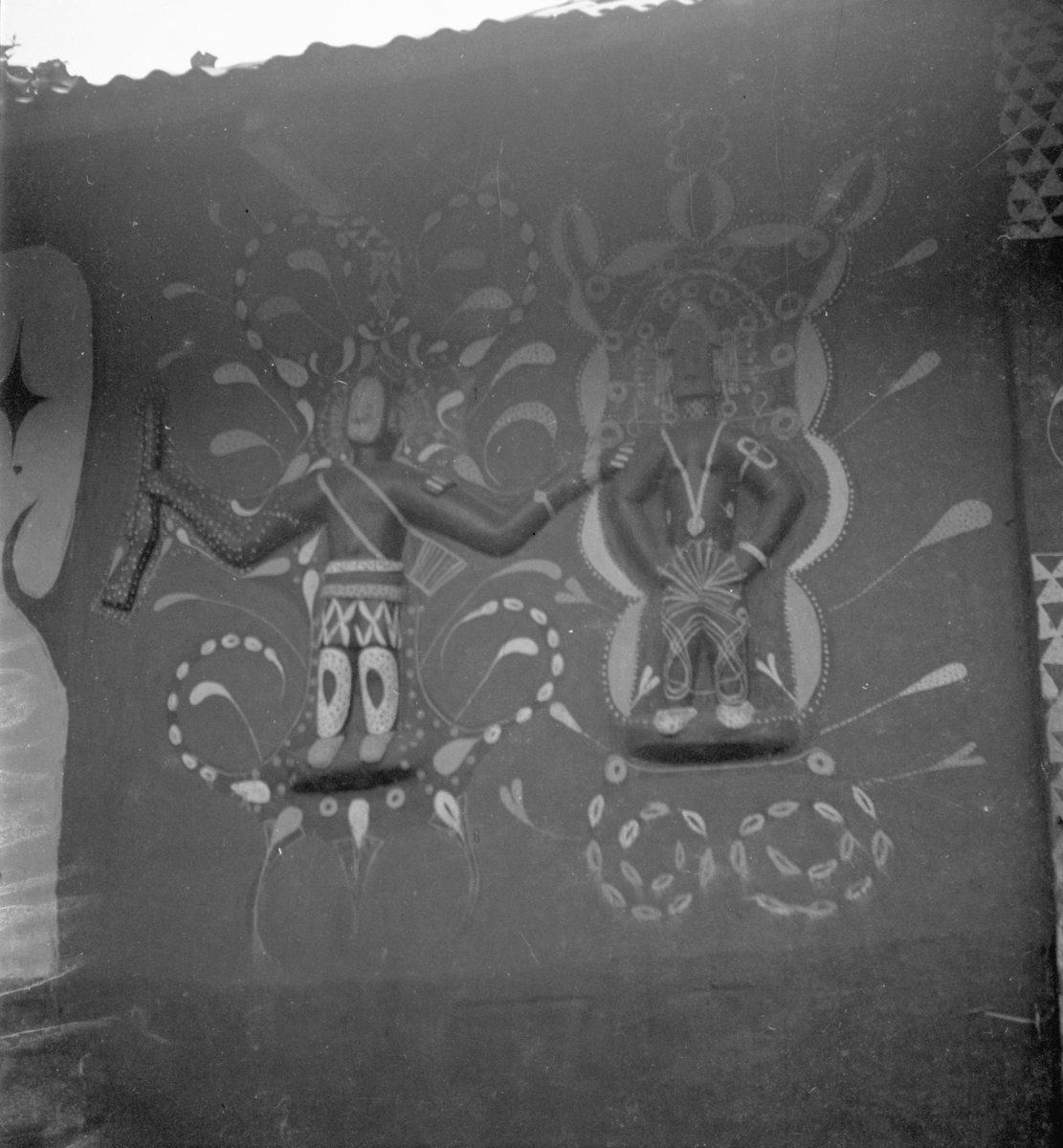
Mural Decorations in Nri Akwa
By G.I. Jones
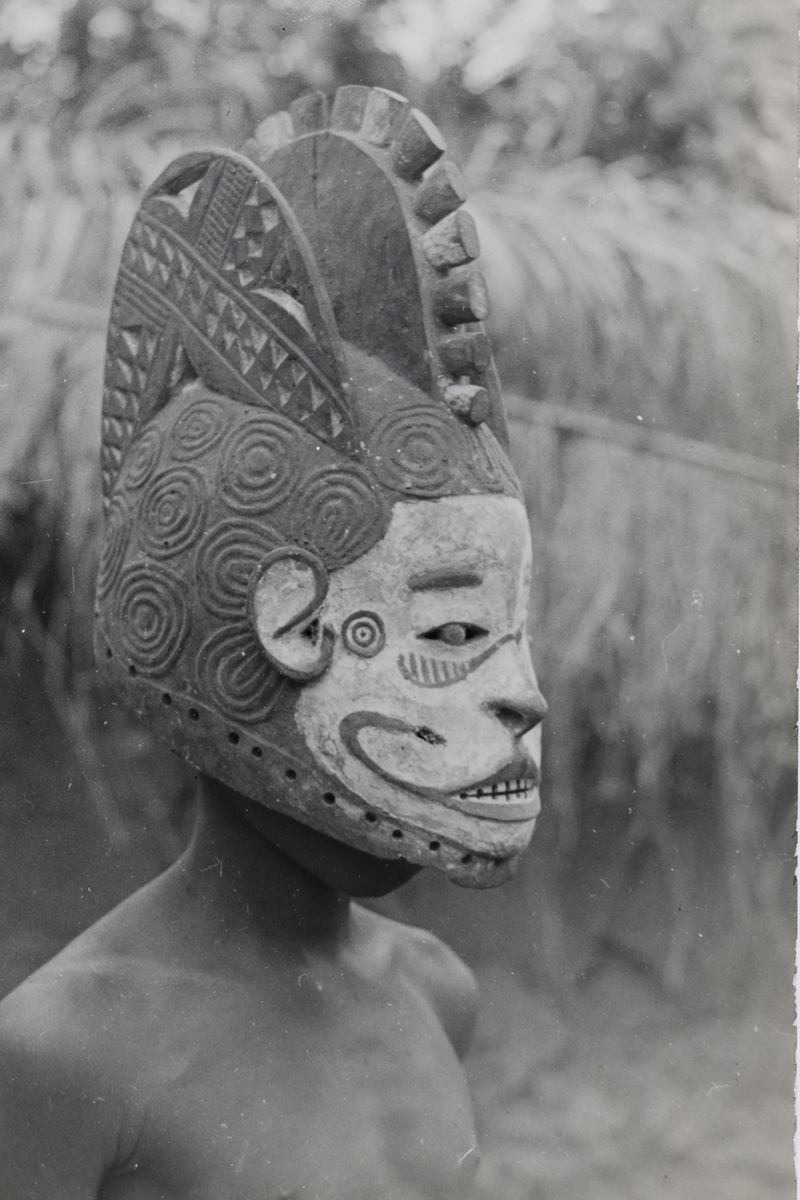
Ogbugulu Mau Mask
By G.I. Jones
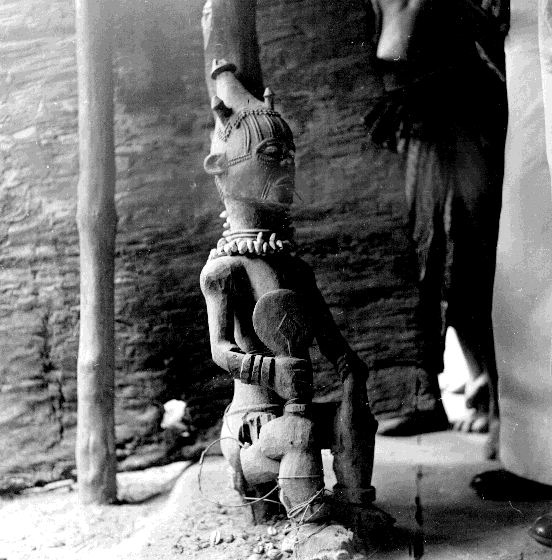
Figure in an Ancestral Shrine, North Ika
By G.I. Jones
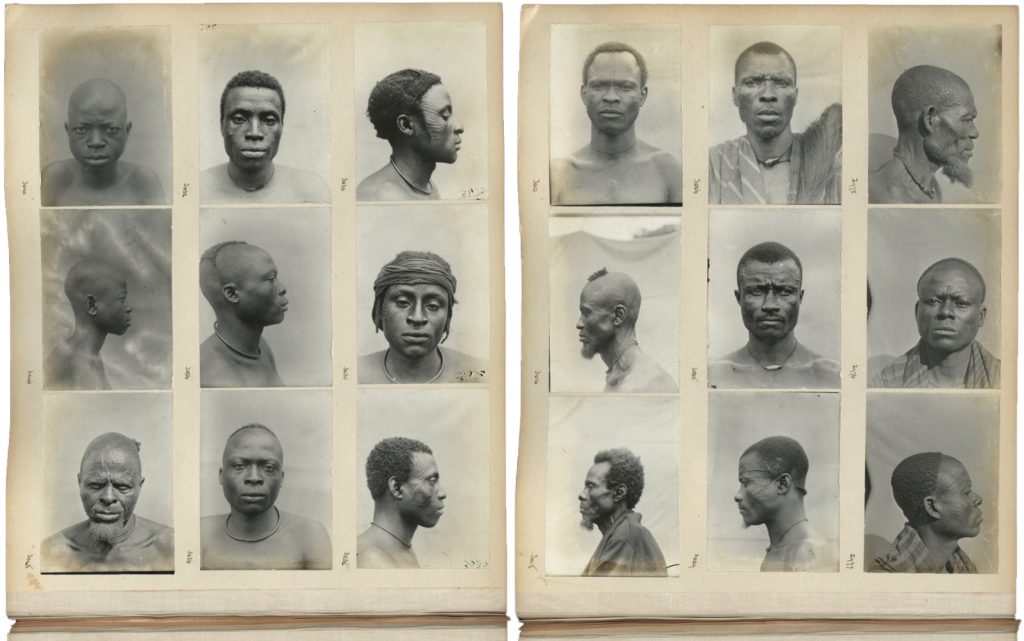
Physical Type Portraits of Igbo-speaking Communities
By Northcote Thomas
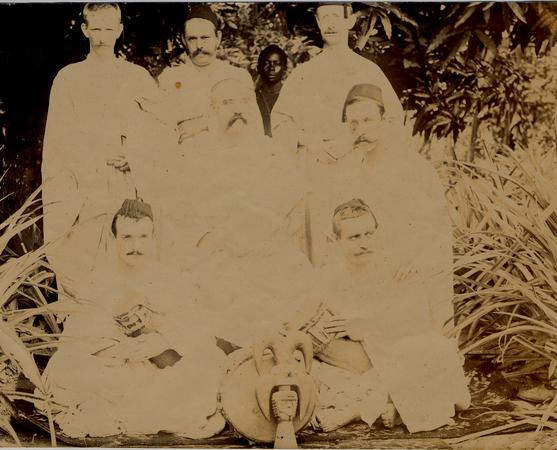
Group Portrait with Igbo Masquerade Headdress at Fort Salisbury
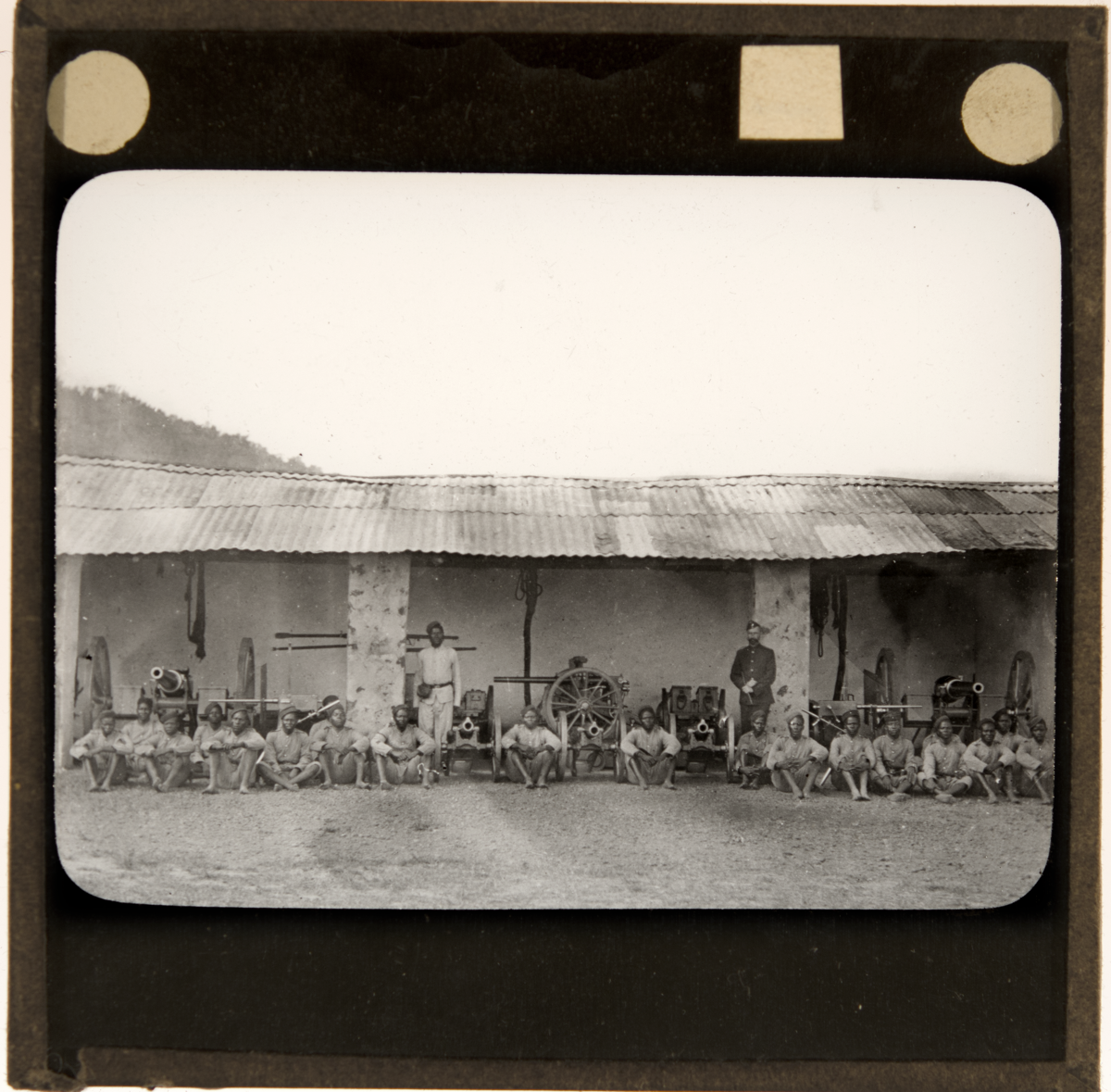
Portrait of Soldiers Outside Barracks
By William Henry Crosse
Iro Ekpetu of the Ogbugulu Mau Masquerade
By G.I. Jones
Ngbangba Ikoro Masquerade at Abiriba
By G.I. Jones
No comments yet. Be the first to share your thoughts!