
Mural Decorations in Nri Akwa
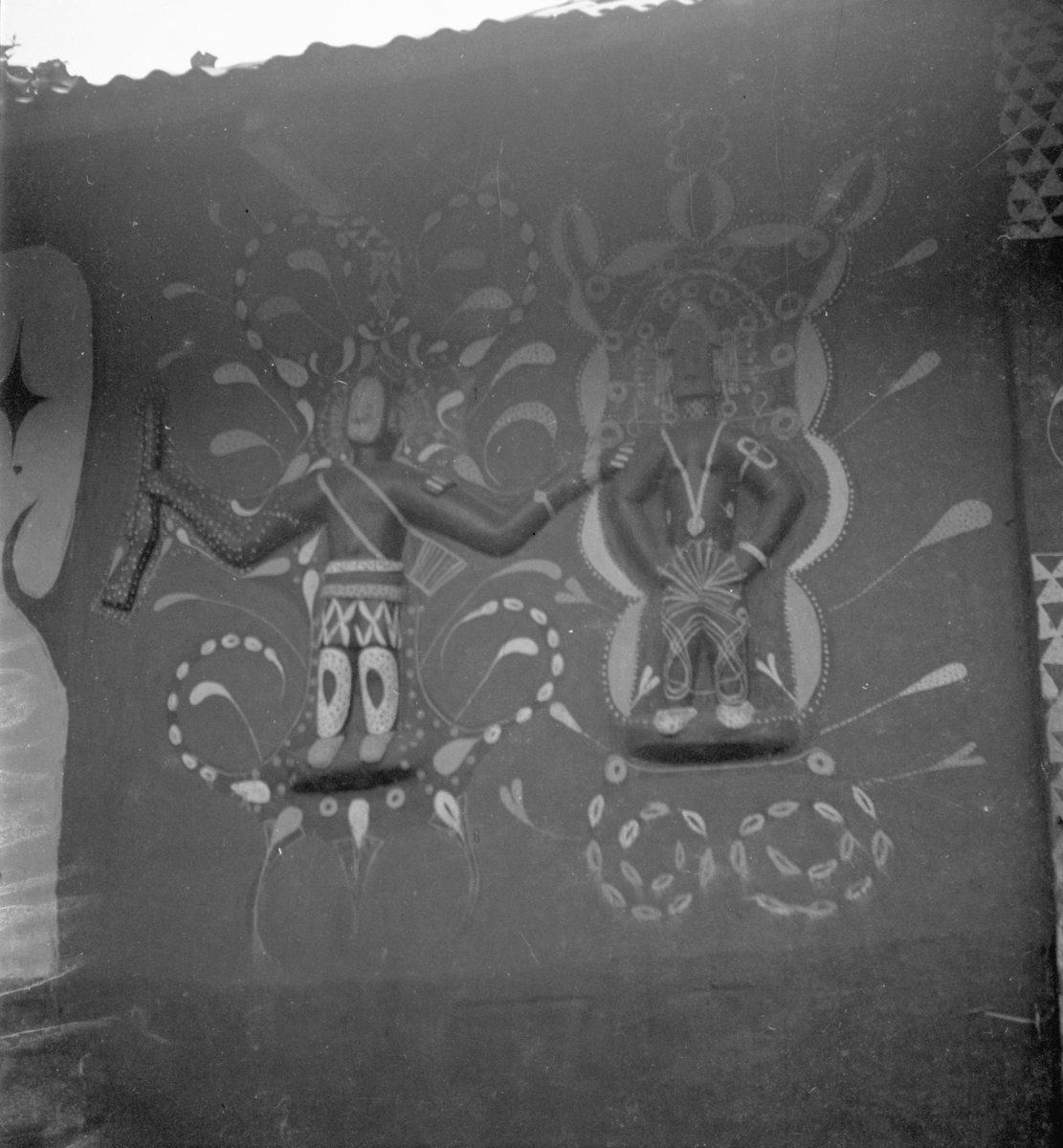
A photograph depicting a close up view of mural decorations on a wall in Nri Akwa. The murals feature two raised figures in relief, rendered with light colored pigments on a dark matte substrate. The figure on the left is stylized with extended arms, wearing white painted clothing and body decorations, and holding a rectangular object. This figure is flanked by birds and leaf designs and stands on a decorated plinth. The figure on the right stands with arms on hips, featuring a white painted face, white markings, and a medal around his neck. Both figures are surrounded by geometric swirled patterns and birds, with the head of each figure encircled by ornate, radiating designs suggesting ceremonial headgear or halos.
Community Notes

Onyeka Nwokike
Oct 12, 2026
Following the First World War, villages in the region competed to construct meeting-houses and public monuments. This era featured the use of solid mud walls called Mbaja, which were viewed as public monuments. The inspiration for decorating these structures came from the village of Umuajatta (Olokoro), where an Anang (Ibibio) artist was hired to paint frescoes in the Ngwomo style on an Ekpe (Egbo) society house. This trend led other villages, including Okwu, to adopt similar decorative styles for their permanent walls, as detailed by the Museum of Archaeology and Anthropology, University of Cambridge.
Log in to add context.
Explore Further
Discover related books and stories to deepen your understanding.

DIRT ON WHITE SPECTRUM: Myths, Travails and Legacies of Eze …
By Chukwuemeka Ifeanacho Onyesoh

Politics, Culture, and Origins in Nigeria: The Igbo and Their …
By Nwankwo Nwaezeigwe

Nri Warriors of Peace
By Chikodi Añunobi

Ora-eri Nnokwa & Nri dynasty
By Charles M Ezekwugo

The Thing Around Your Neck
By Chimamanda Ngozi Adichie

Art of Eastern Nigeria
By G.I. Jones

Igbo Arts: Community and Cosmos
By Herbert M. Cole and Chike G. Aniakor

Igbo (Visions of Africa Series)
By Herbert M. Cole

Mbari: Art and the Life Among the Owerri Igbo
By Herbert M. Cole
You May Also Like
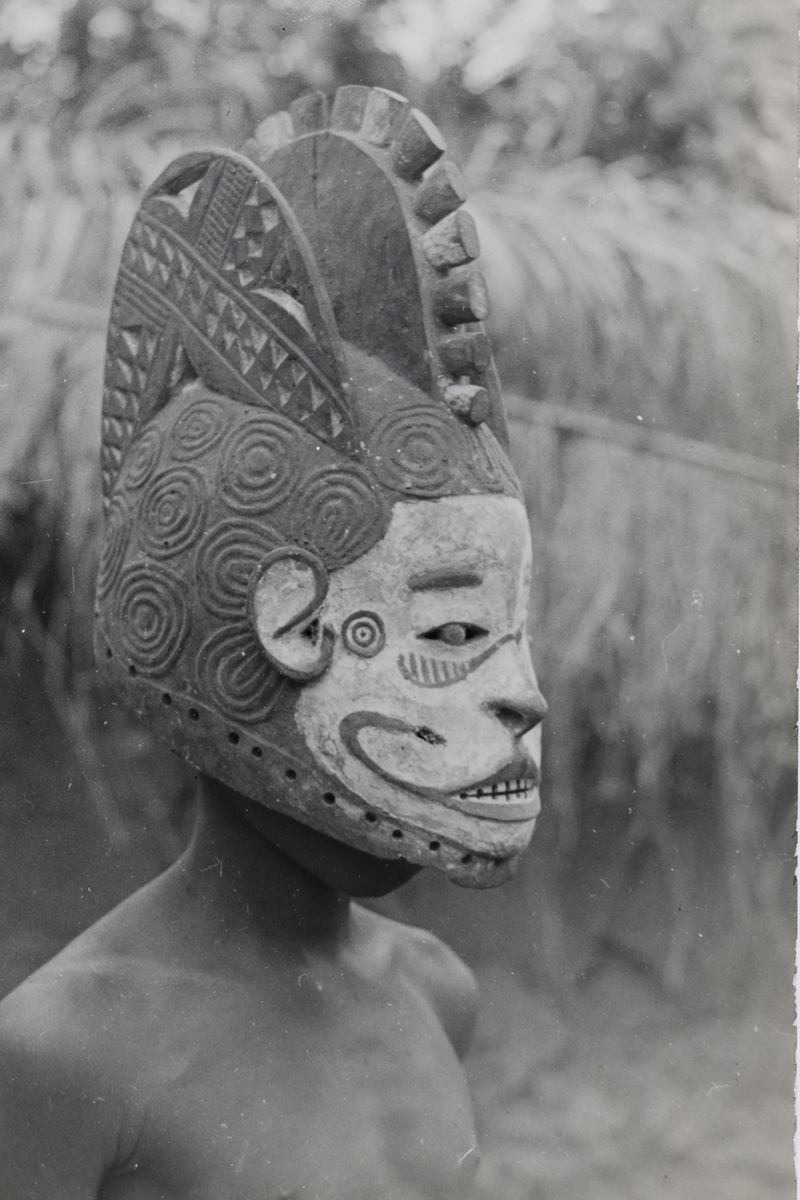
Ogbugulu Mau Mask
By G.I. Jones
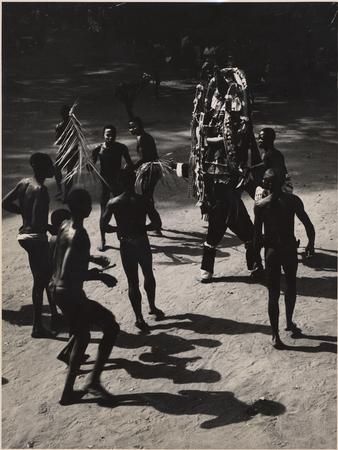
Igbo Adult Males Performing Masquerade
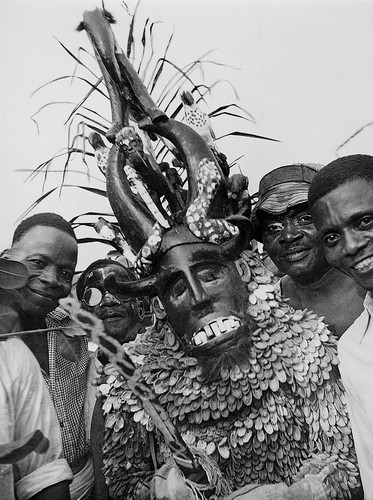
Igbo Dancer Performing Agaba Masquerade
By Edward Harland Duckworth
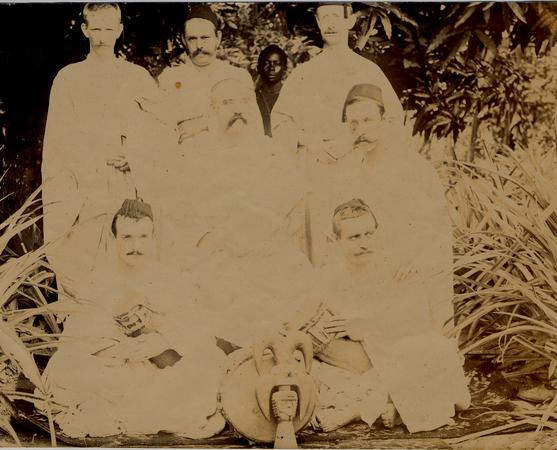
Group Portrait with Igbo Masquerade Headdress at Fort Salisbury
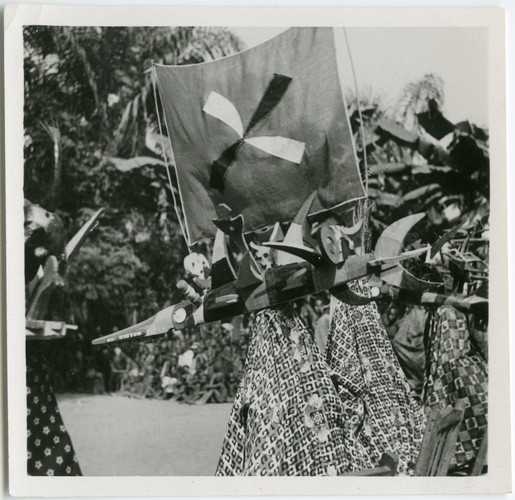
Dancer Wearing Fish Mask
By G.I. Jones
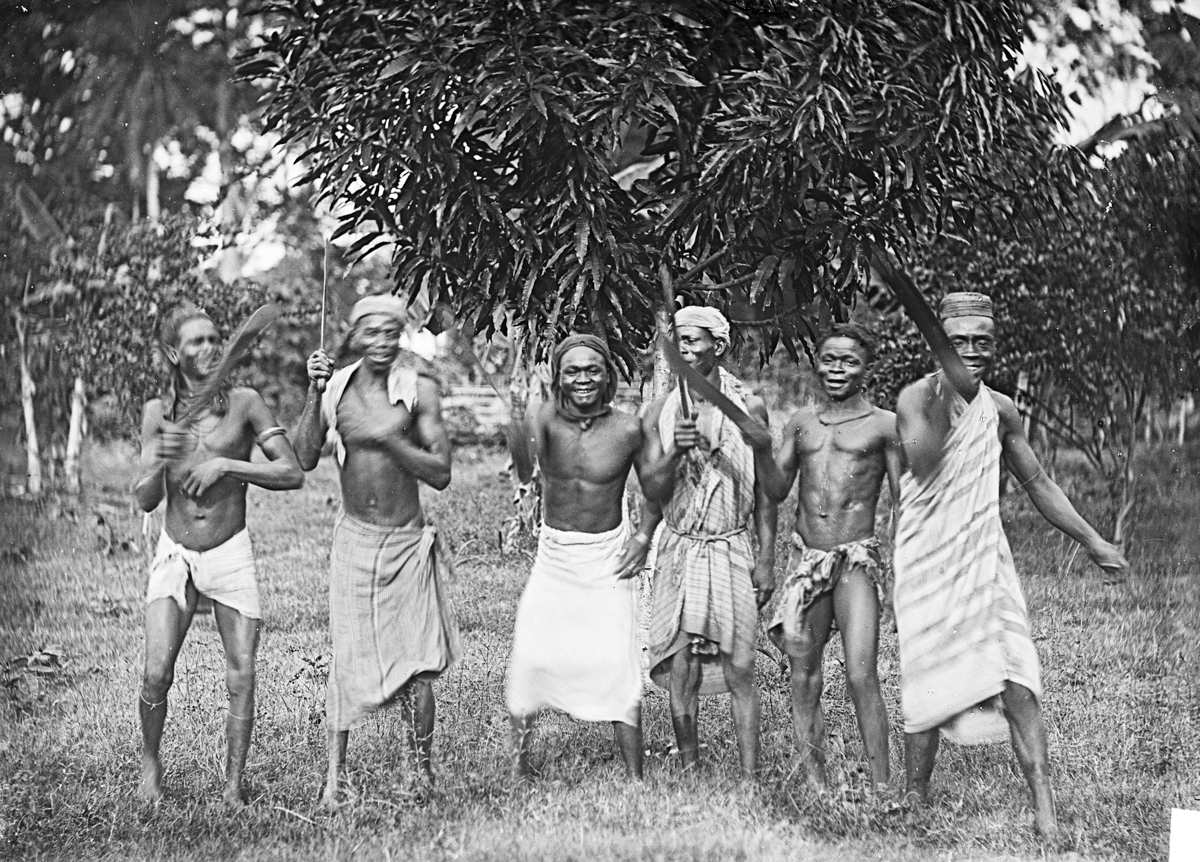
Group Portrait of Six Men in the Onitsha Area
By William Henry Crosse
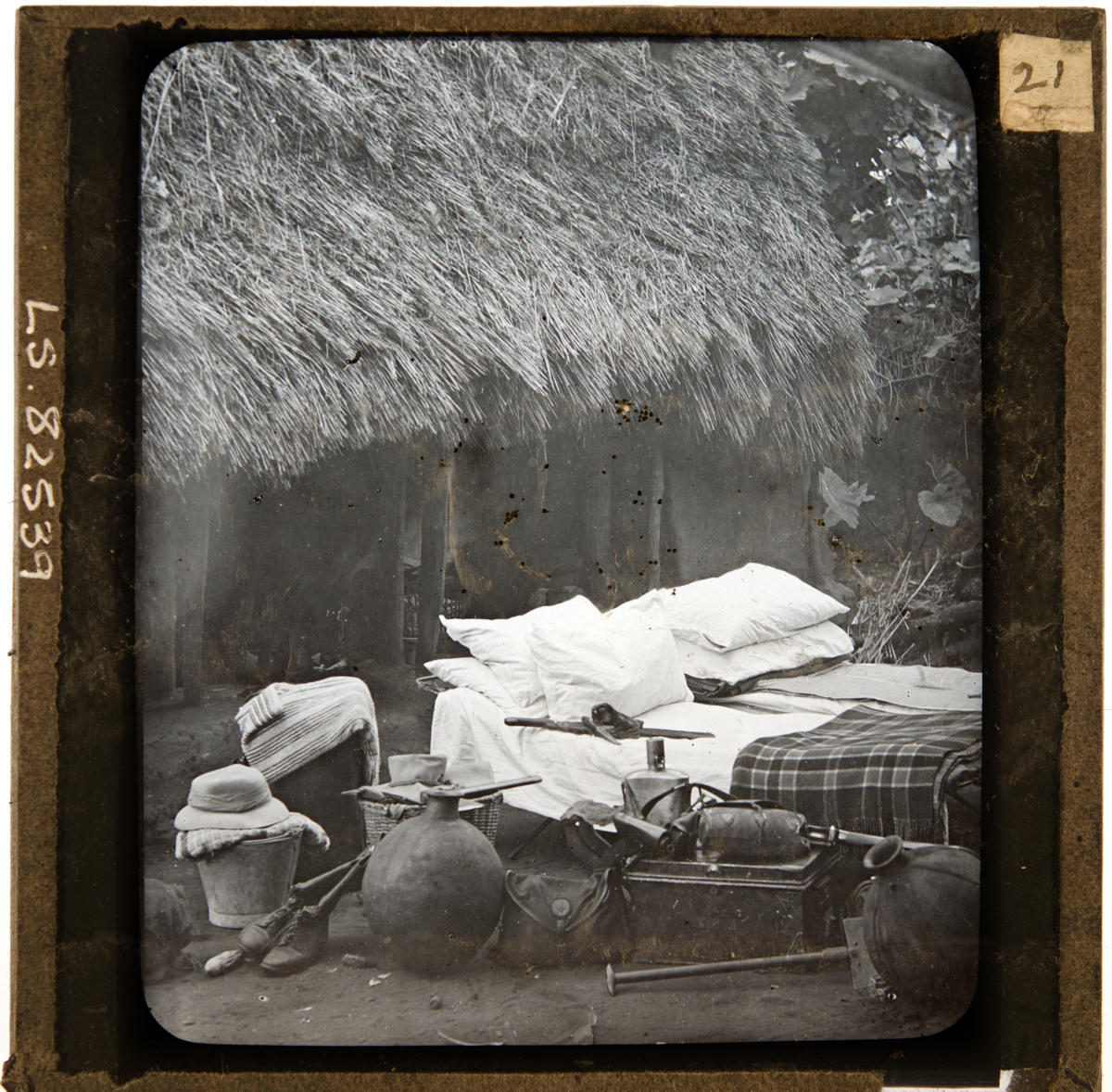
Domestic assemblage and sleeping area
By William Henry Crosse
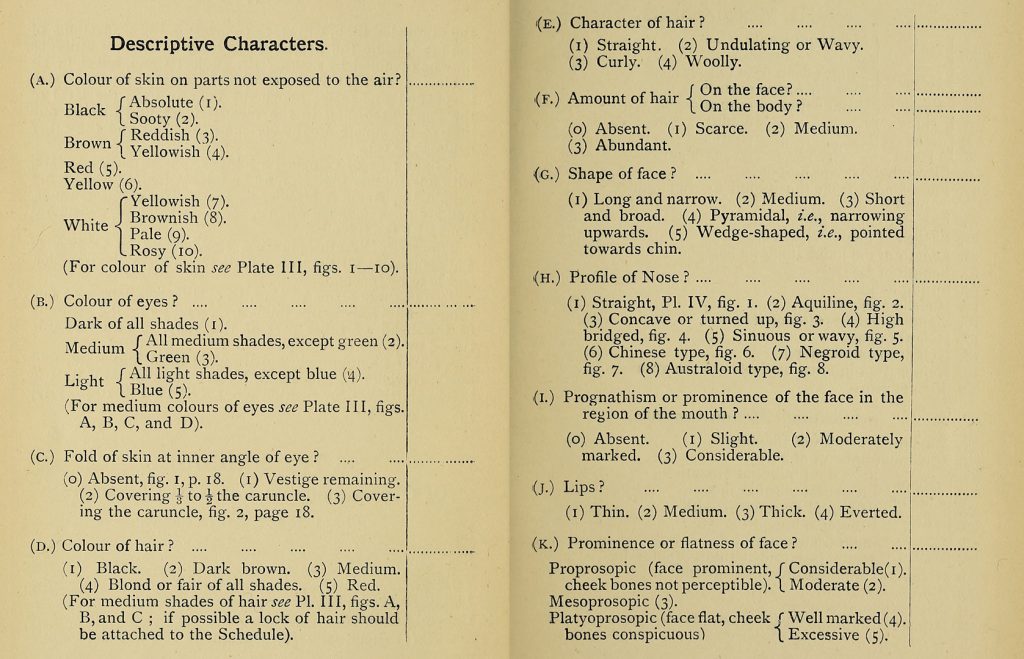
Notes and Queries on Anthropology: Descriptive Characters

G.I. Jones at Nsude Village Shrine Pyramid
By G.I. Jones
No comments yet. Be the first to share your thoughts!