

Interior of Mbari with Mud Sculptures
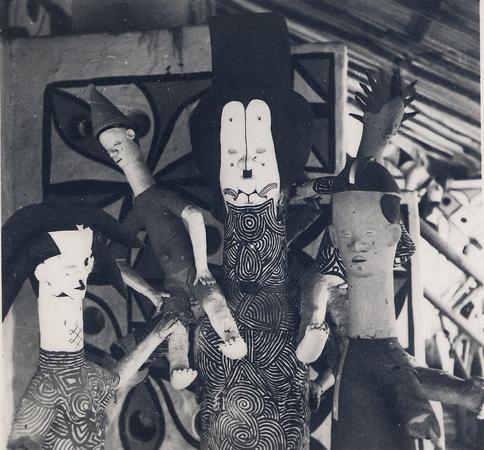
A monochrome gelatin silver print depicting the interior of an Mbari house. The photograph shows a cluster of five mud sculptures, including a dominant central figure with two smaller figures positioned on its shoulders. The sculptures feature a contrast between smooth, pale facial planes and bodies adorned with dense, rhythmic curvilinear patterns, spirals, and concentric circles. In the background, a geometric lattice-like window screen and structural beams are visible, indicating a semi-enclosed environment.
Community Notes

Onyeka Nwokike
Nov 27, 2026
J Stöcker, a photographer active between 1880 and 1939 (Collections Online | British Museum), captured this image. His Nigerian photography is also indexed in the German Documentation Center for Art History, Marburg Picture Index.
Onyeka Nwokike
Nov 27, 2026
These mud sculptures and the accompanying structure were created as sacred communal offerings to appease the earth goddess Ala (also known as Ani) and other deities of thunder and water (Mbari house - Wikipedia). The shrines function as propitiatory rites to honor deities or seek appeasement following communal calamities (Mbari (art)).
Log in to add context.
Explore Further
Discover related books and stories to deepen your understanding.

Mbari: Art and the Life Among the Owerri Igbo
By Herbert M. Cole

An Introduction to Nigerian Traditional Architecture: South-Eastern Nigeria: The Igbo-speaking …
By Z.R. Dmochowski

The House of Skulls: A Symbol of Warfare & Diplomacy …
By Nkparom C. Ejituwu and Stanley I. Okoroafor

The Rise of British Colonialism in Southern Nigeria, 1700-1900: A …
By Kalu E. Ume

Igbo Arts: Community and Cosmos
By Herbert M. Cole and Chike G. Aniakor

Lessons From Vernacular Architecture in Nigeria
By Joyce Lodson

Art of Eastern Nigeria
By G.I. Jones

Igbo (Visions of Africa Series)
By Herbert M. Cole

Perspectives On Aro History & Civilization: The Splendour of a …
By Mazi Azubike Okoro and Mazi Ben Ezumah
Aba and British Rule
By Dandy Ahuruonye
You May Also Like
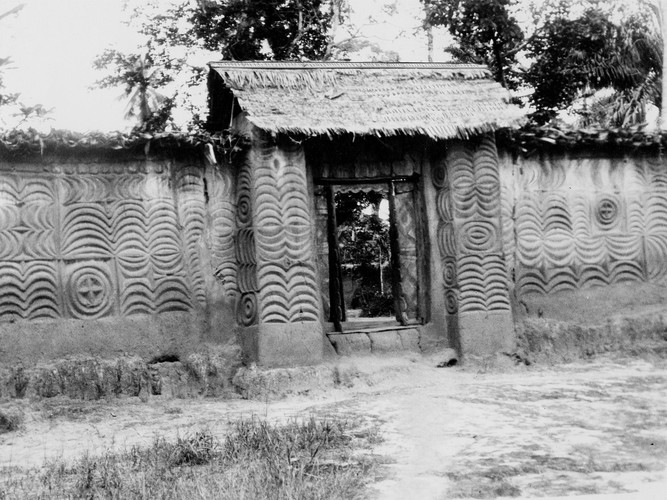
Entrance to an Igbo Farmer's House near Nnewi
By Edward Harland Duckworth
Igbo bu Igbo (Great Igbo)
By Northcote Thomas
Speech by Chief Onyeso of Agukwu Nri
By Northcote Thomas
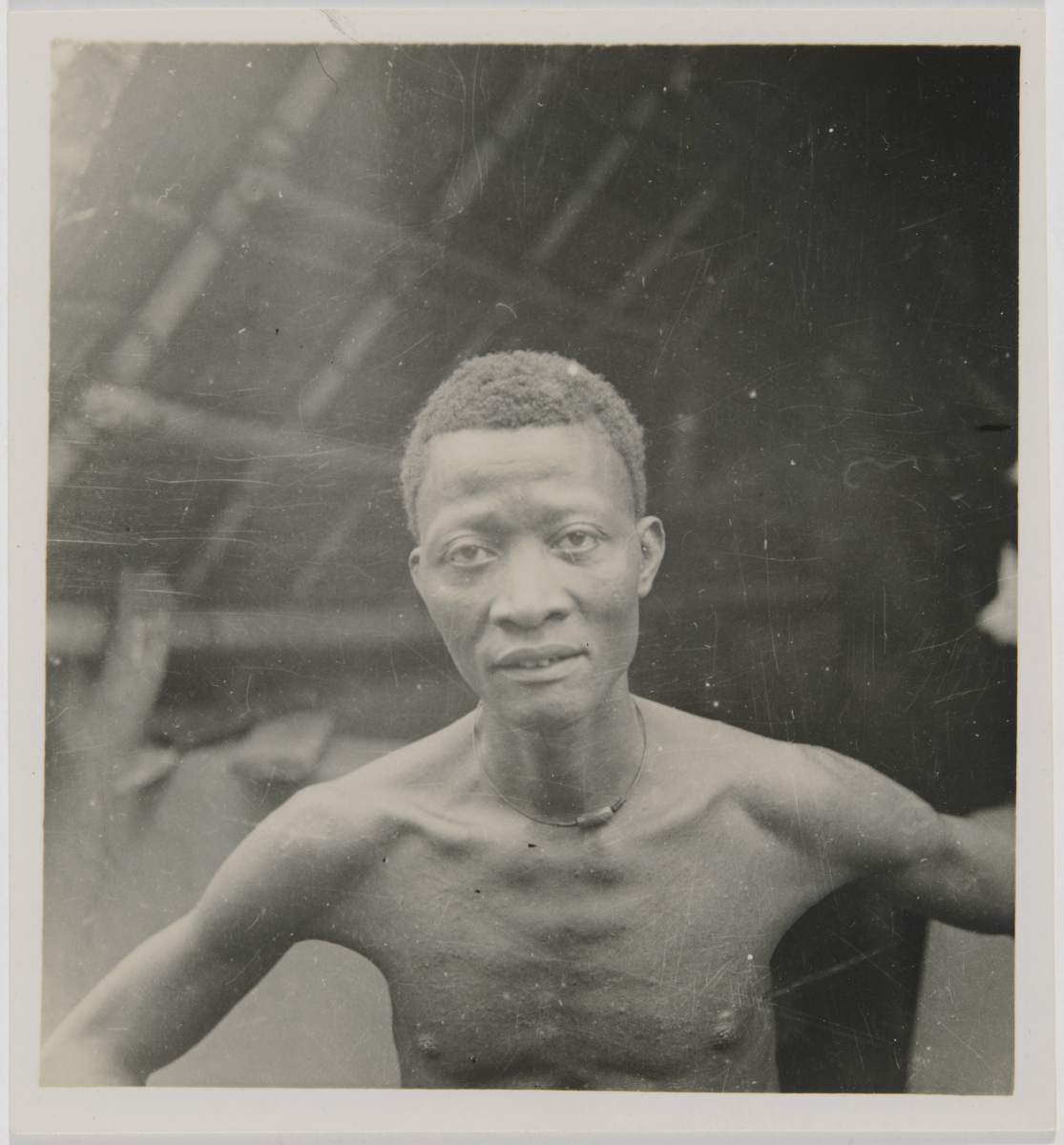
Portrait of a Man in a Roofed Building
By G.I. Jones
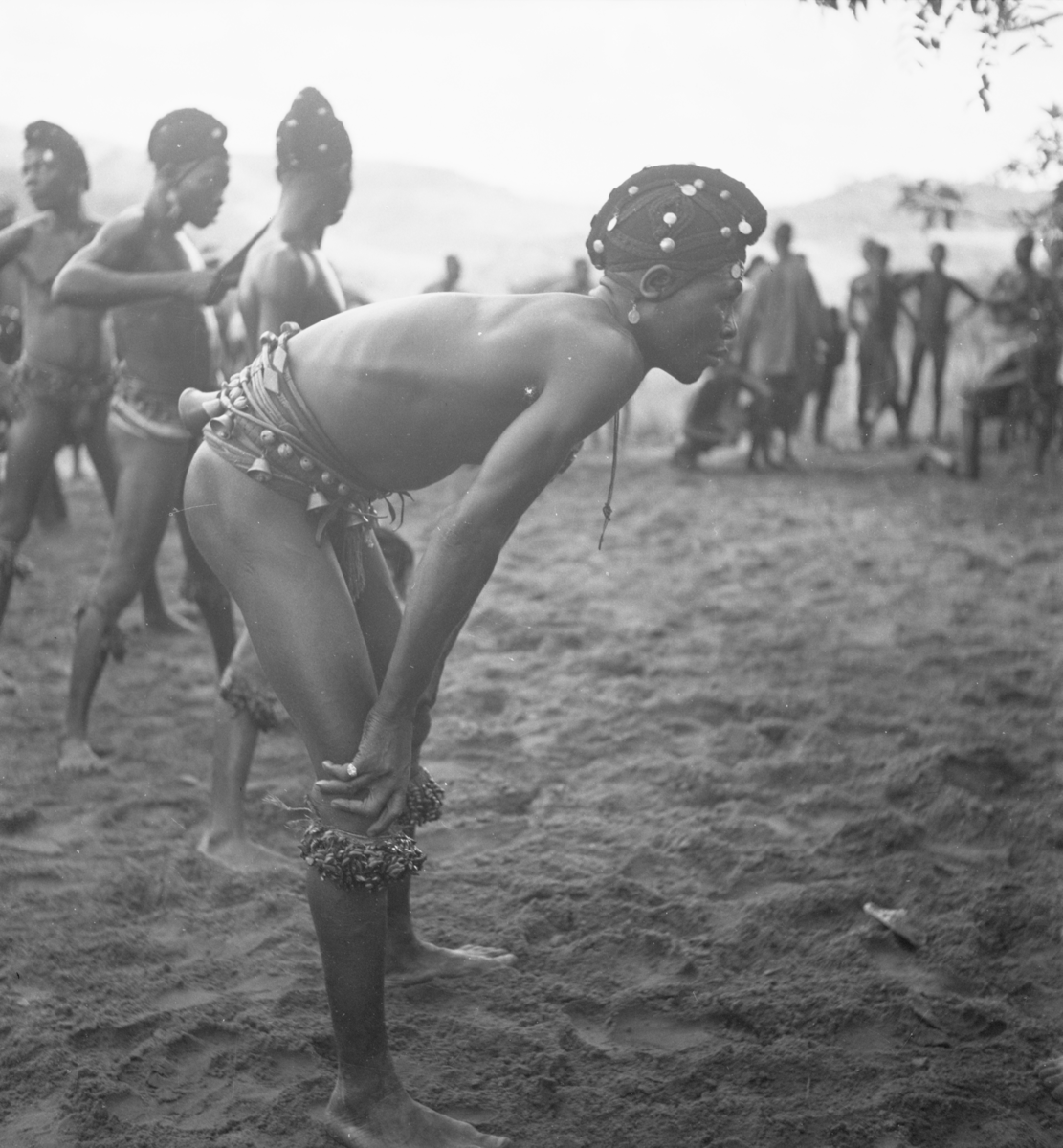
Boys' Initiation Dance in the Nri Akwa Area
By G.I. Jones
Landscape of the Niger River
By William Henry Crosse
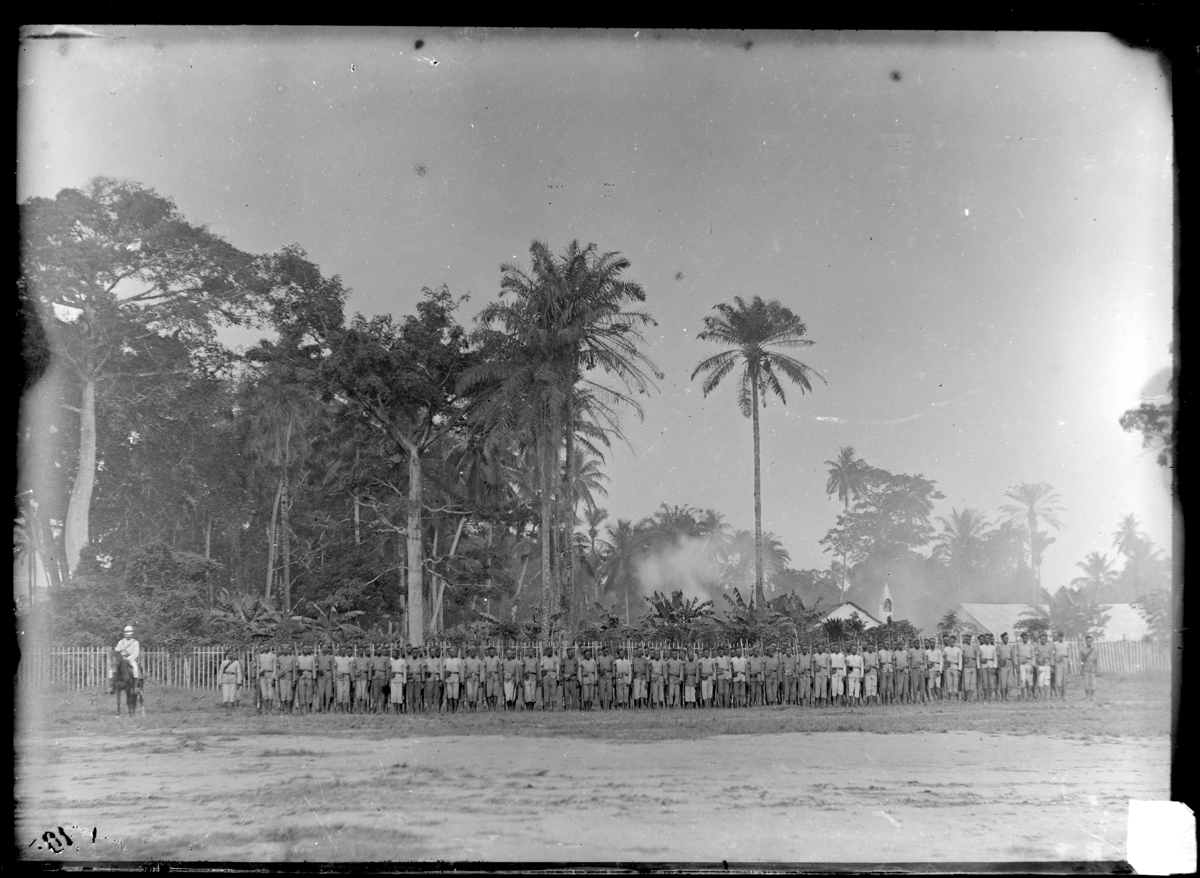
Royal Niger Company Soldiery
By William Henry Crosse
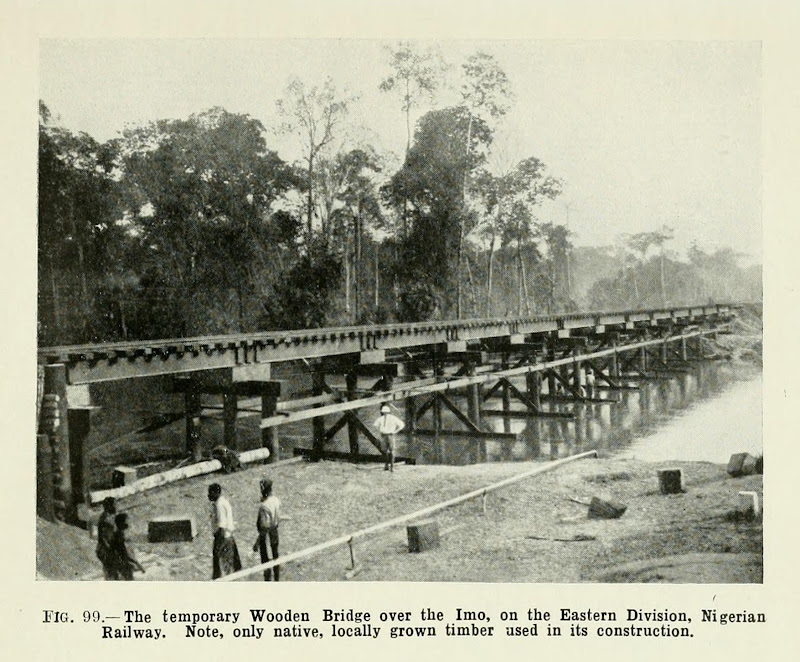
Temporary Wooden Bridge over the Imo River

G.I. Jones at Nsude Village Shrine Pyramid
By G.I. Jones
No comments yet. Be the first to share your thoughts!