

A Famous Were-Leopard
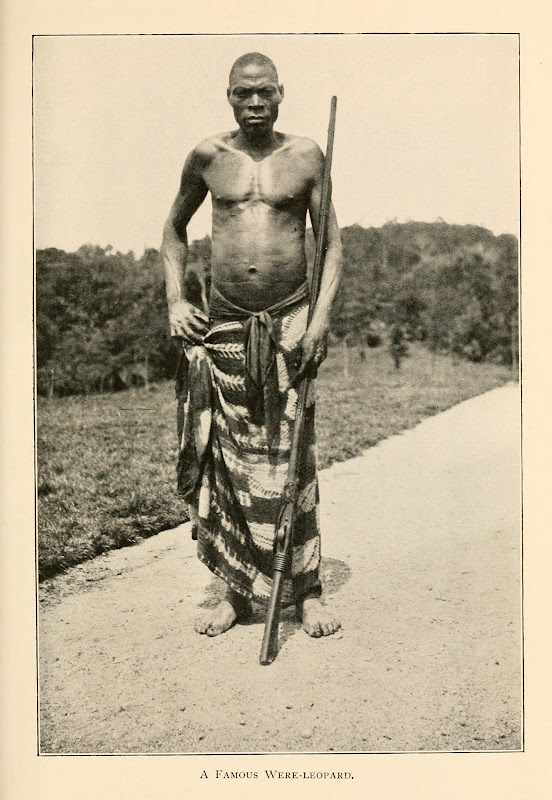
A monochrome photograph depicting an adult male standing on a dirt path in a forested environment. The subject is unclothed from the waist up and wears a wrap-around textile garment with high-contrast geometric patterns featuring diagonal bands and chevrons. He holds a long-barreled firearm in his left hand. The image is associated with Percy Amaury Talbot's 1923 publication, Life in Southern Nigeria, which discusses the belief in metamorphosis, known as Uworraw-Ukponn or Ehihi, and the spiritual bond between individuals and animals, such as leopards, among certain Igbo and Ibibio groups.
Community Notes

Onyeka Nwokike
Nov 14, 2026
The power of metamorphosis, termed Uworraw-Ukponn in Ibibio and Ehihi in Igbo, is a faculty that can be inherited or purchased, allowing a projection of consciousness into the form of animals, plants, or trees. These bonded entities are considered kin, making it forbidden for members of the lineage to harm or harvest them. According to A Famous Were-Leopard, leopard souls are often identified by their fast running or a peculiar creeping motion. Hunters, who can recognize these were-beasts, generally avoid shooting them because the animal's death would entail the death of its human affinity.
Among the Eket, snake affinities (specifically the Asaba python) predominate, and some women believe their souls enter great fish in rivers, leading them to view the sale of smoked fish as the slaying of kin.
Log in to add context.
Explore Further
Discover related books and stories to deepen your understanding.

Leopards of the Magical Dawn
By Nze Chukwukadibia E. Nwafor

The Rise of British Colonialism in Southern Nigeria, 1700-1900: A …
By Kalu E. Ume

The Thing Around Your Neck
By Chimamanda Ngozi Adichie

Igbo Arts: Community and Cosmos
By Herbert M. Cole and Chike G. Aniakor

Mbari: Art and the Life Among the Owerri Igbo
By Herbert M. Cole

DIRT ON WHITE SPECTRUM: Myths, Travails and Legacies of Eze …
By Chukwuemeka Ifeanacho Onyesoh

AROCHUKWU: The Rise And Fall of Arochukwu And The Path …
By Samuel Okoro Onwukwe

Ohaffia: A Matrilineal Ibo People
By Philip O. Nsugbe

Art of Eastern Nigeria
By G.I. Jones
You May Also Like
Landscape Along the Niger River
By William Henry Crosse
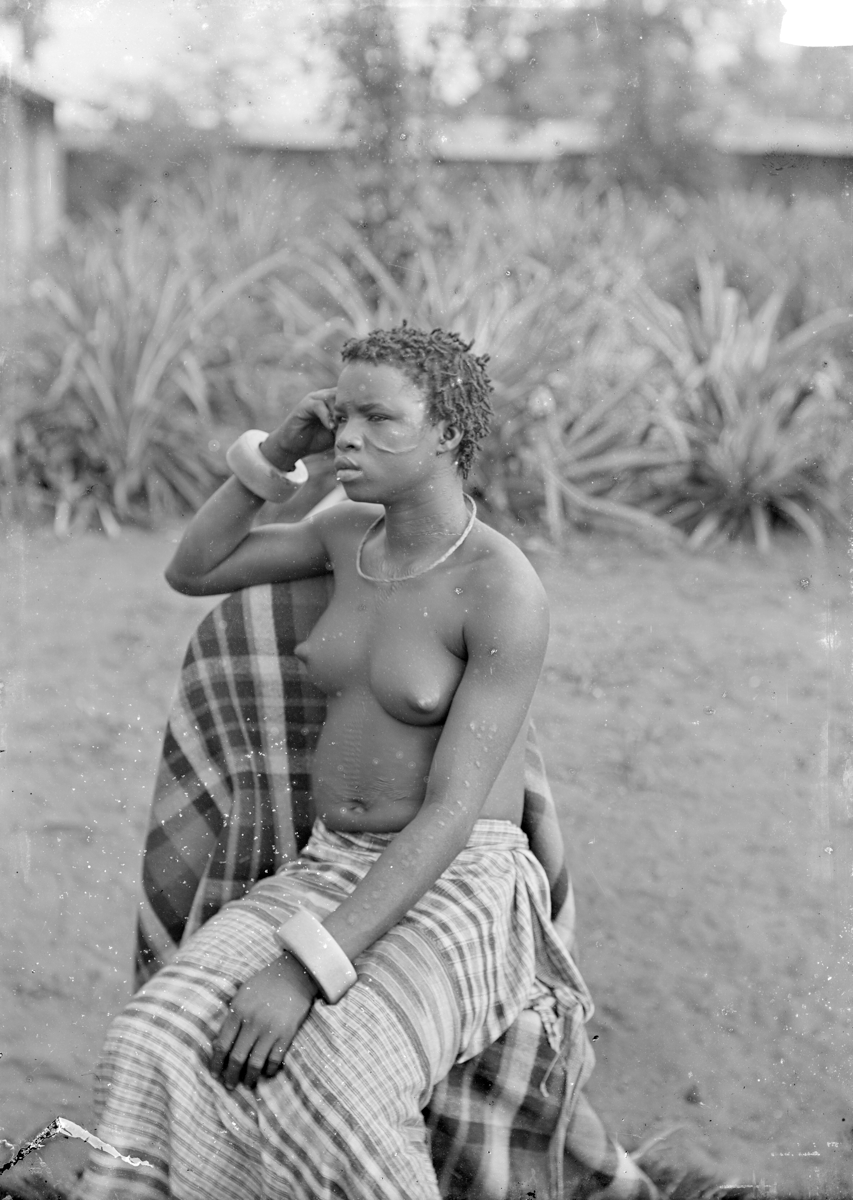
Portrait of a Woman along the Niger River
By William Henry Crosse
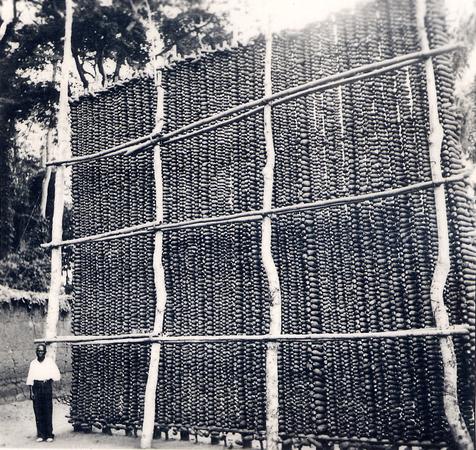
Igbo Yam Barn with Male Figure
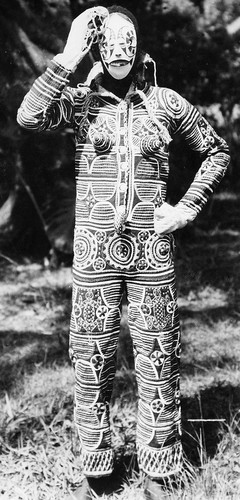
Man in Embroidered Beadwork Canvas Costume and Mask
By Edward Harland Duckworth
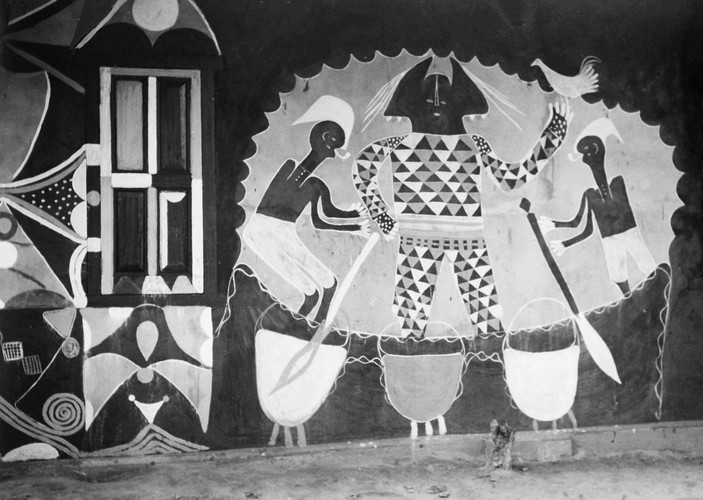
Painted Courthouse Mural at Nri
By Edward Harland Duckworth
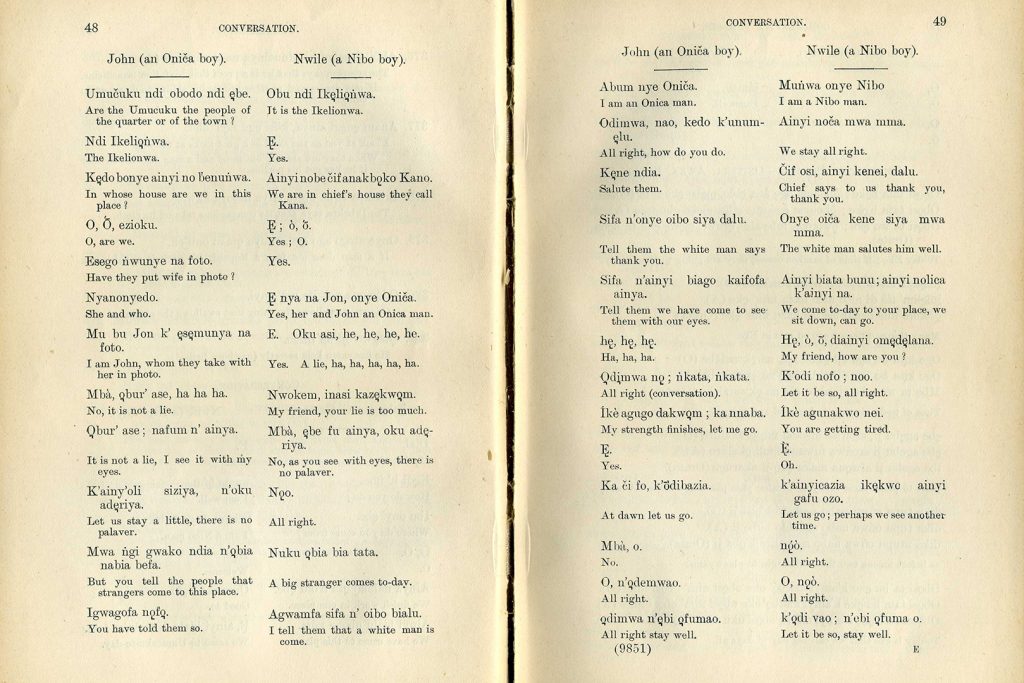
Conversation between John and Nwile
By Northcote Thomas
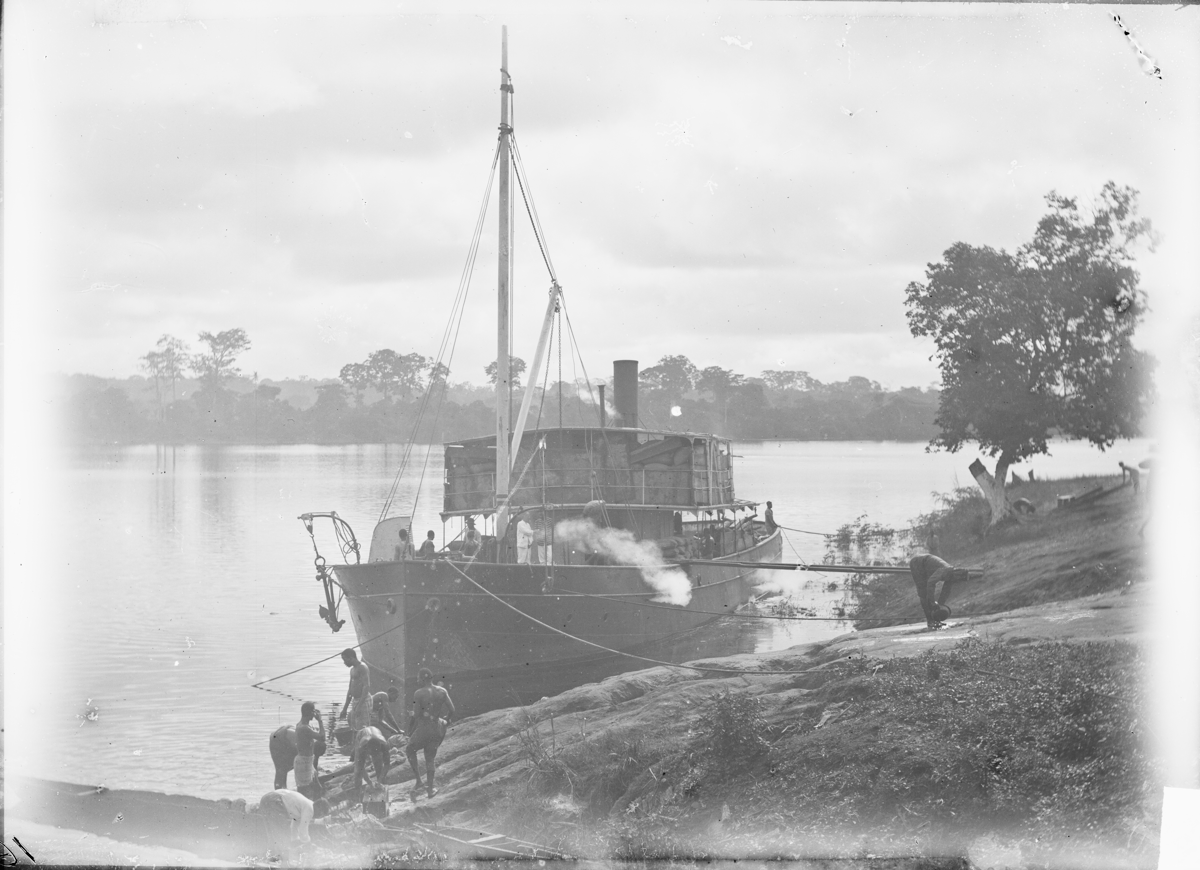
Steam Vessel Anchored on the Niger River
By William Henry Crosse
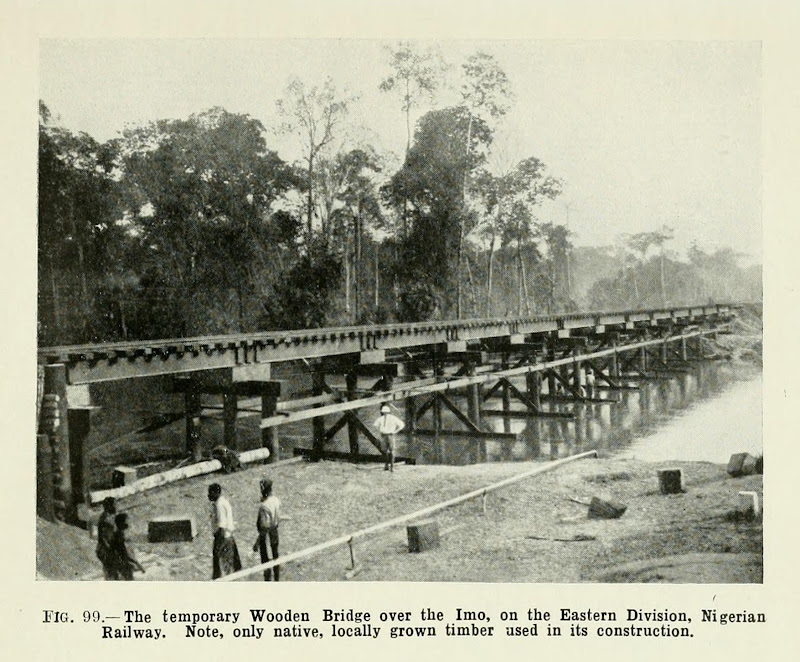
Temporary Wooden Bridge over the Imo River
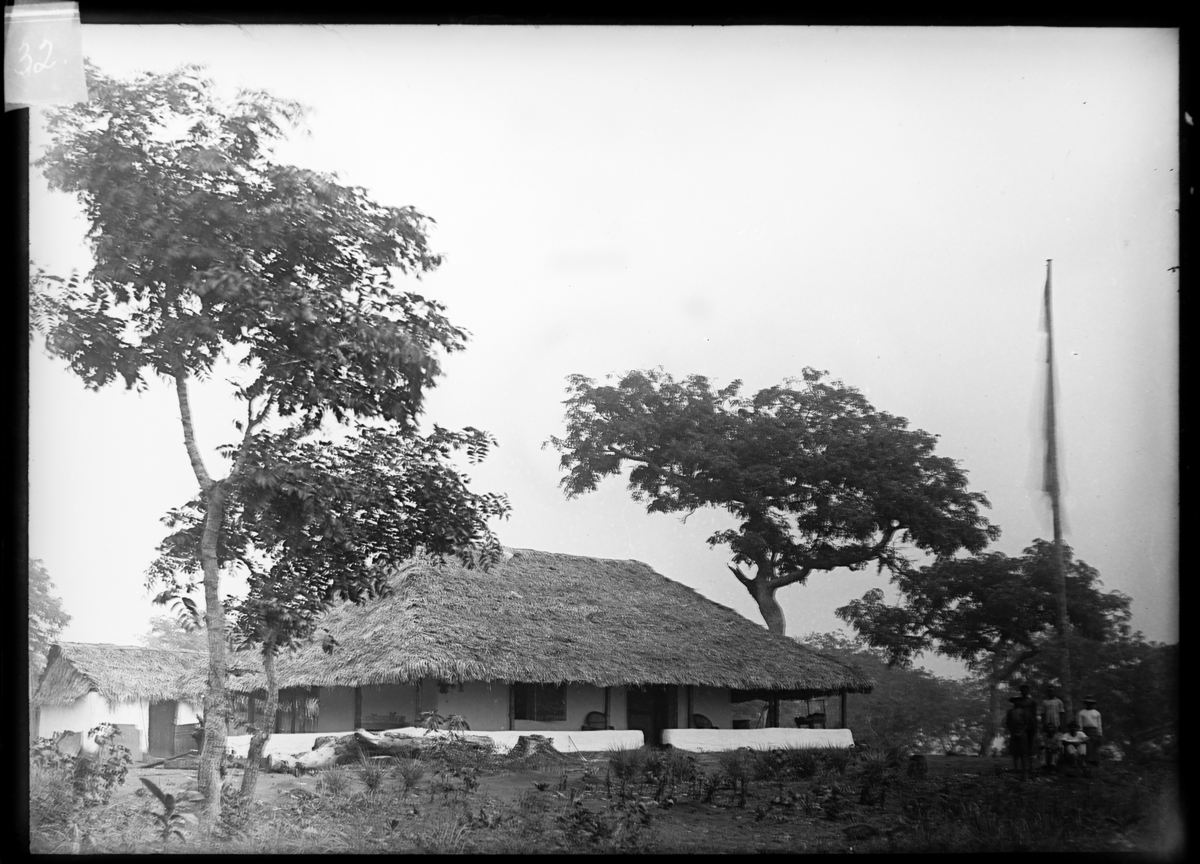
Thatched Dwelling and Group of Individuals
By William Henry Crosse
No comments yet. Be the first to share your thoughts!