
Excerpt from Anthropological Report on the Ibo-speaking Peoples of Nigeria
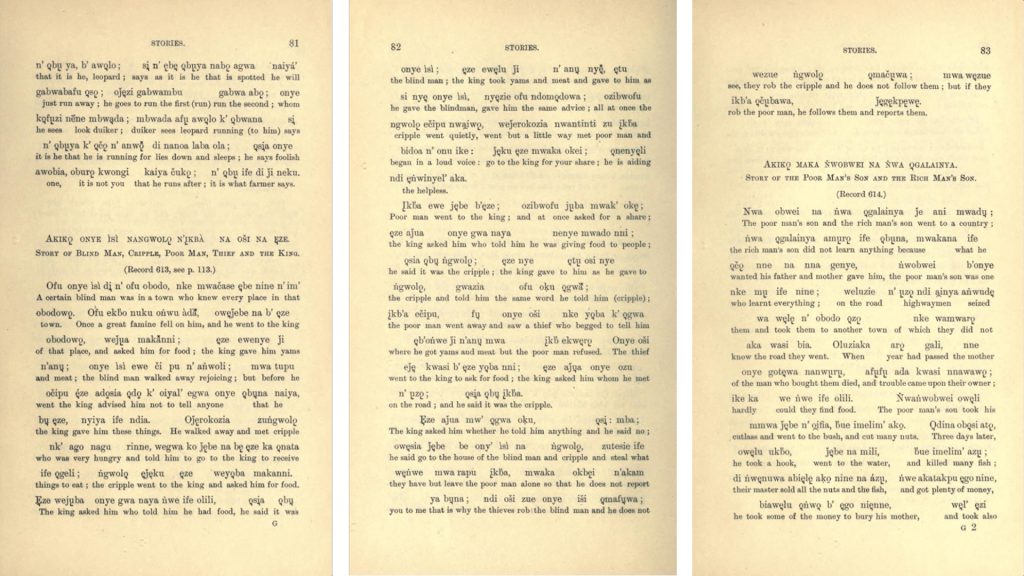
A photograph depicting three sequential pages (81, 82, and 83) from Northcote Thomas's 1914 publication, Anthropological Report on the Ibo-speaking Peoples of Nigeria, Part IV: Proverbs, Stories, Tones in Ibo. The pages feature a dual-script format with a primary language using a modified Latin alphabet with extensive diacritics, accompanied by English translations. Page 81 includes the story of the blind man, cripple, poor man, thief and the king (Record 613), and page 83 begins the story of the poor man's son and the rich man's son (Record 614). The document exhibits age-related yellowing of the paper and utilizes a serif typeface.
Community Notes

Onyeka Nwokike
Oct 13, 2026
These pages originate from Part VI of Northcote Thomas's 1914 publication, Anthropological Report on the Ibo-speaking Peoples of Nigeria: Proverbs, Stories, Tones in Ibo. While some archival metadata labels this document as Part IV, bibliographic records confirm Part IV specifically addressed the law and customs of the Asaba District, whereas Part VI served as a dedicated volume for linguistic specimens, including folklore and narratives.
Source: [Re:]Entanglements
Onyeka Nwokike
Oct 13, 2026
Record 613, titled The Story of the Blind Man, the Cripple, the Poor Man, the Thief and the King, was recorded on a wax cylinder in Asaba in 1913 (British Library C51/2930). The narrative follows the distribution of food by a king and the subsequent revelation of his secret, leading the king to direct a thief to rob the blind man and the cripple while sparing the poor man. The [Re:]Entanglements project has provided contemporary Standard Igbo re-transcriptions and translations of this folktale.
Onyeka Nwokike
Oct 13, 2026
The story on page 83, Akiko maka swobwei na swa qgalainya, is titled Akụkọ maka nwa ogbenye na nwa ọgaranya (The Story of the Poor Man's Son and the Rich Man's Son) in contemporary Igbo. Like Record 613, this narrative was also collected by Northcote Thomas in Asaba during his 1913 field research.
Onyeka Nwokike
Oct 13, 2026
Northcote Thomas employed a specialized phonetic transcription system for these reports, developed through his friendship with the noted phonetician Daniel Jones. This system utilized a modified Latin alphabet with extensive diacritics, such as sub-dots and accent marks, to represent the tonal qualities of the Igbo language. While modern linguists like Betram Okolo have criticized these early transcription efforts as inadequate, the records remain essential documentation for the study of early 20th-century Igbo dialects.
Source: [Re:]Entanglements
Log in to add context.
Explore Further
Discover related books and stories to deepen your understanding.

Anthropological Report On The Ibo-speaking Peoples Of Nigeria, Part 6 …
By Northcote Thomas

Anthropological Report on the Ibo-Speaking Peoples of Nigeria, Vol. 2: …
By Northcote Thomas

Anthropological Report on the Ibo-Speaking Peoples of Nigeria: Law and …
By Northcote Thomas

The King in Every Man: Evolutionary Trends in Onitsha Ibo …
By Richard N. Henderson
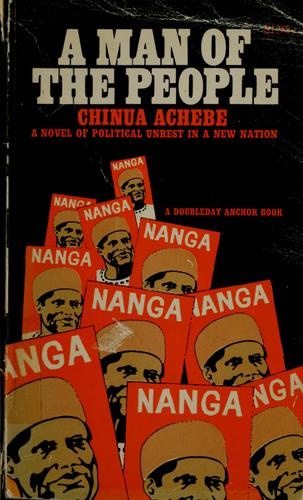
A Man of the People
By Chinua Achebe

Ohaffia: A Matrilineal Ibo People
By Philip O. Nsugbe

THE WHISPERING POET: An Anthology Of Igbo And Other Proverbs
By Dandy Ahaoma Ahuruonye
Sacrifice in Igbo traditional religion
By Francis A. Arinze

Arrow of God
By Chinua Achebe
You May Also Like
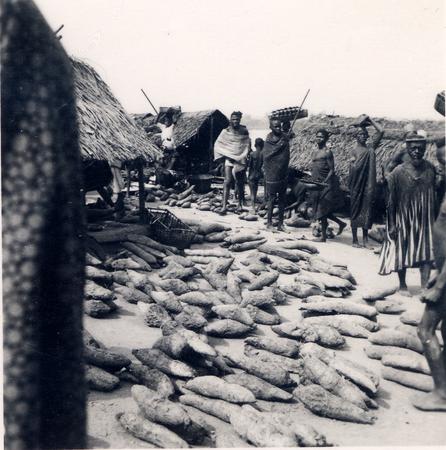
Market Scene with Yams
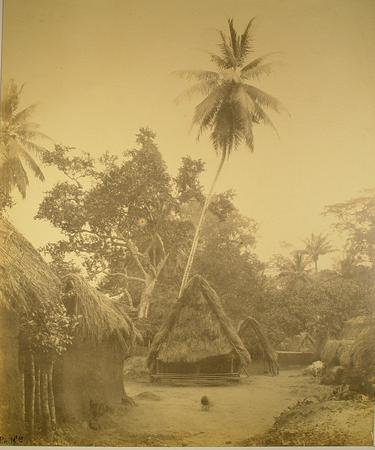
Interior View of a Chief's Compound
Carved Wooden Ceremonial Board Staff
By Kenneth C. Murray
Rural Scene with Igbo Masquerades
Exhibition Stall of Local Produce
Group Portrait from Royal Niger Company
By William Henry Crosse
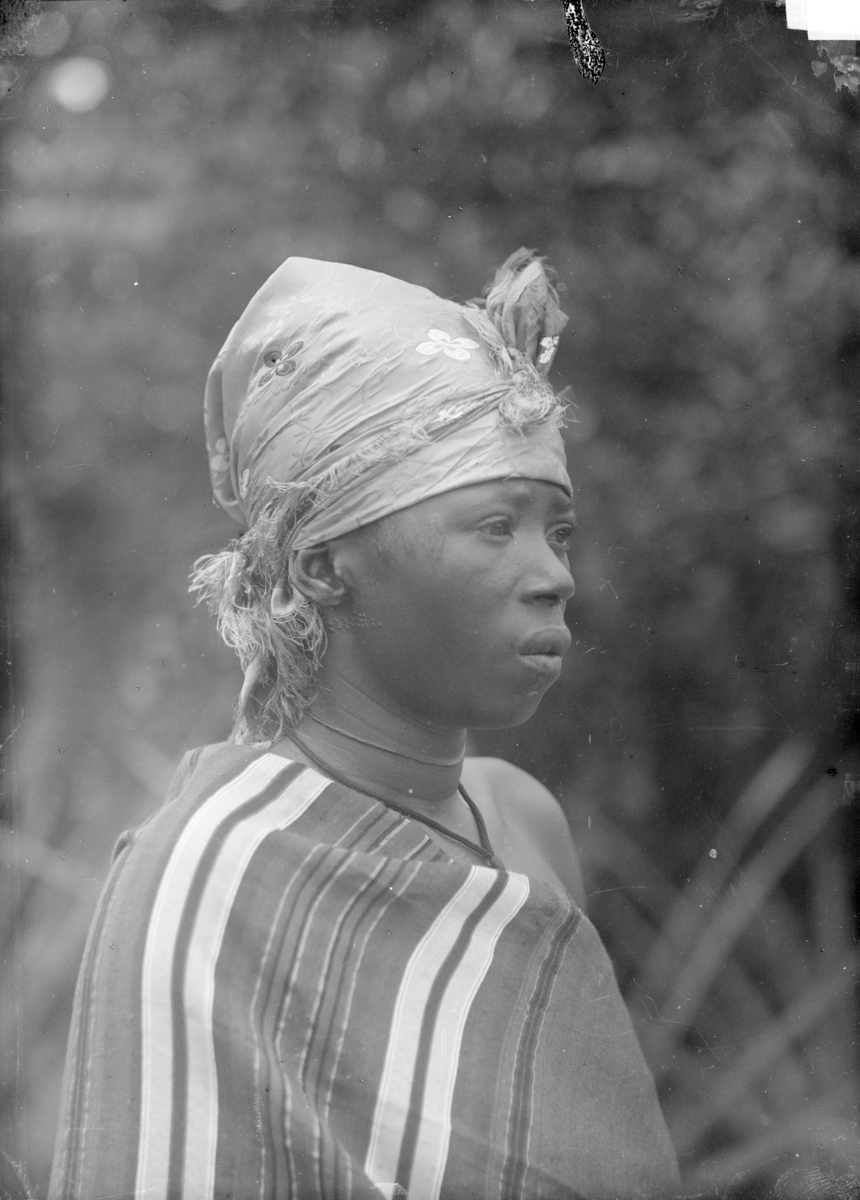
Portrait of a Woman with Neck Markings
By William Henry Crosse
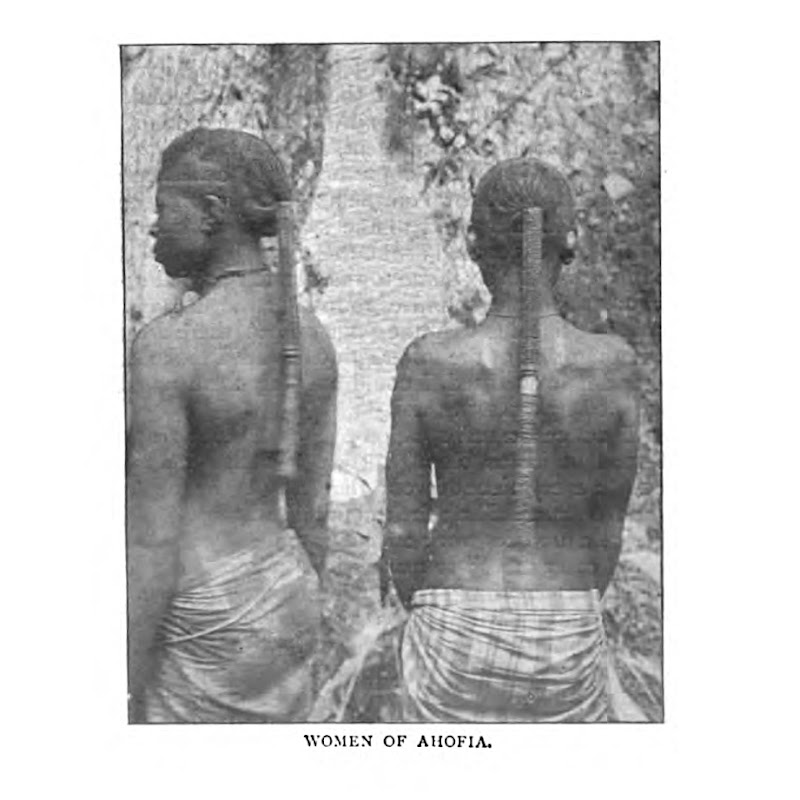
Ohafia Women with Traditional Long Braids
By Rev. William T. Weir
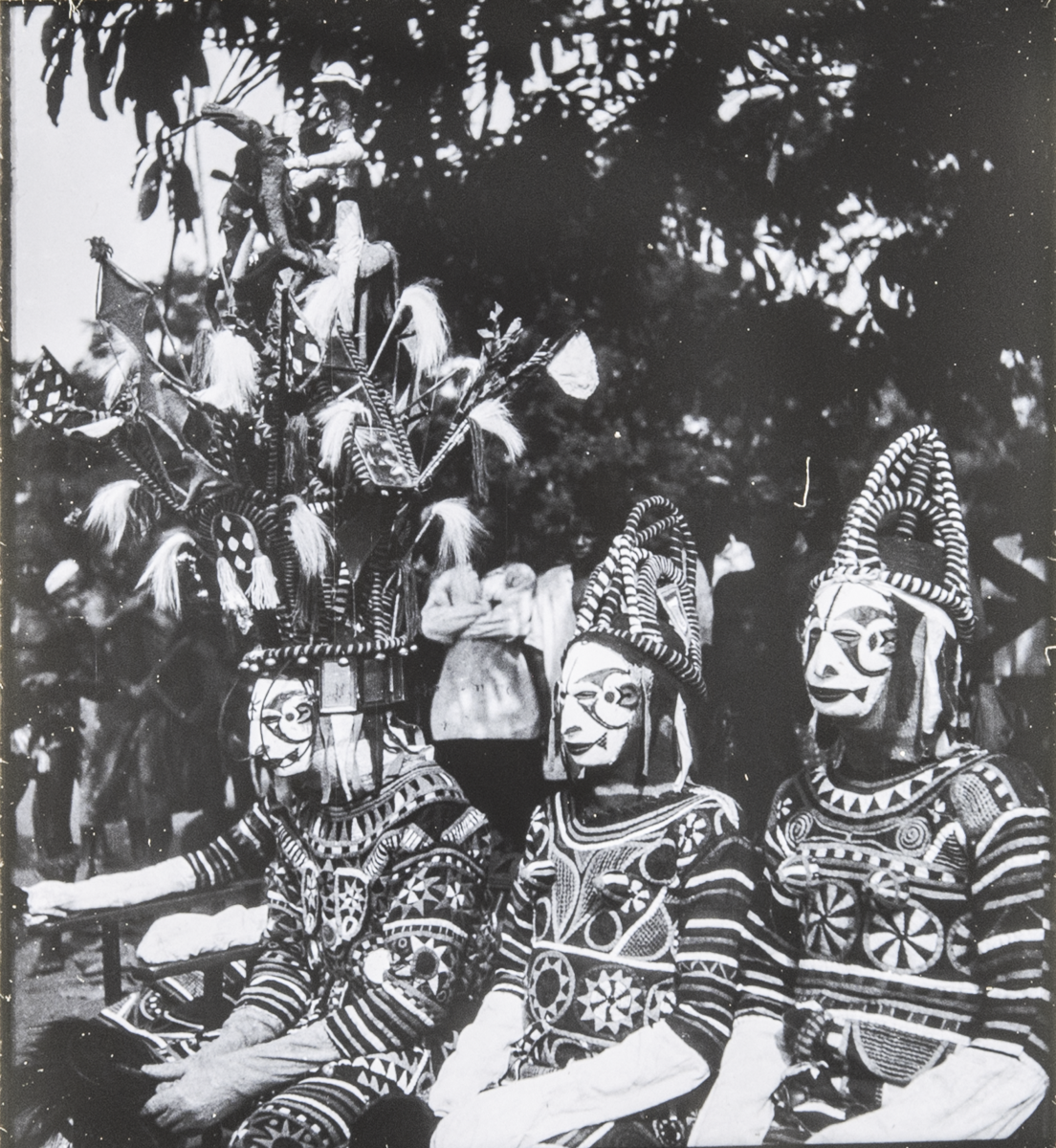
Obugulu Mau Masqueraders at Amobia Village
By G.I. Jones
No comments yet. Be the first to share your thoughts!